The Best Homemade Hummingbird Food Recipes to Attract More Birds to Your Garden
This post may contain affiliate links
Want to bring more hummingbirds to your yard this season? The secret isn’t in fancy feeders or bright colors—it’s in the homemade hummingbird food recipe you use! Making your own hummingbird nectar is not only easy and affordable, but it’s also better for the birds when you avoid red dye and artificial additives.
Here are a few tried-and-true hummingbird food recipes you can make at home, plus tips to keep your feeder clean and safe.
PIN TO YOUR PINTEREST BOARDS
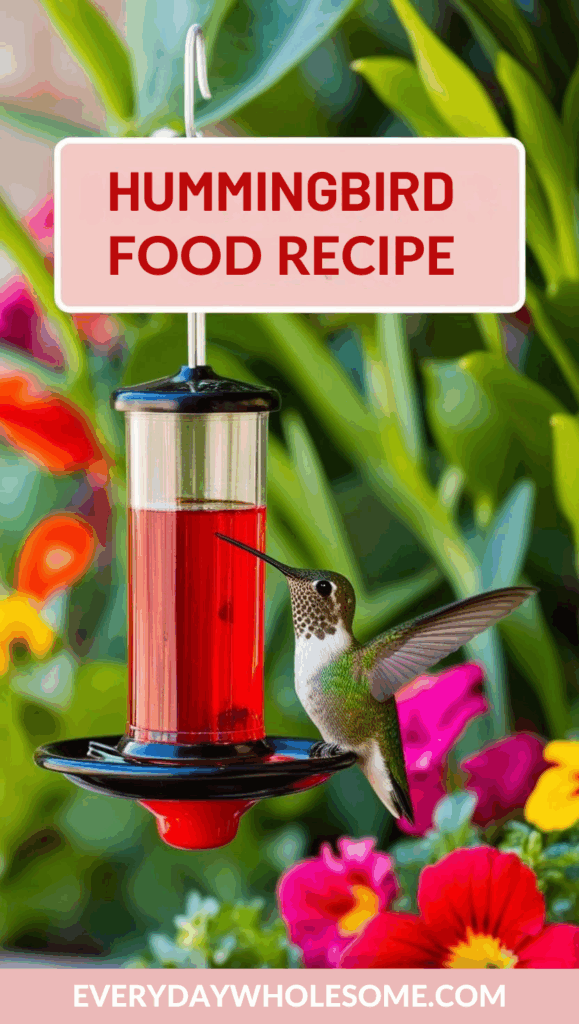
🌺 Classic Homemade Hummingbird Nectar Recipe
Ingredients:
- 1 cup white granulated sugar
- 4 cups water
Instructions:
- Boil the water to help the sugar dissolve and to kill any bacteria.
- Stir in the sugar until completely dissolved.
- Let the mixture cool before filling your feeder.
- Store any extra nectar in the refrigerator for up to one week.
🛑 Important: Never use honey, brown sugar, or red food dye. These can harm hummingbirds.
🍯 All-Natural Hummingbird Food (Boil-Free Option)
If you’re short on time, this no-boil recipe is just as effective:
Ingredients:
- 1 part sugar
- 4 parts warm water
Instructions:
- Stir until the sugar is fully dissolved.
- Allow it to cool completely before adding to the feeder.
Make sure your water is filtered or clean. Warm water helps speed up dissolving but boiling is still recommended weekly to sanitize your feeder.
🧊 Small Batch Recipe for Window Feeders
Ingredients:
- 1/4 cup sugar
- 1 cup water
Perfect for smaller feeders or apartment patios! Just scale up using the 1:4 ratio for larger batches.
🧼 Tips for Safe Hummingbird Feeding
- Clean your feeder every 2–3 days in hot weather, and every 4–5 days when it’s cooler.
- Never add food dye.
- If nectar looks cloudy or moldy, toss it immediately.
- Use glass or BPA-free feeders for best results.
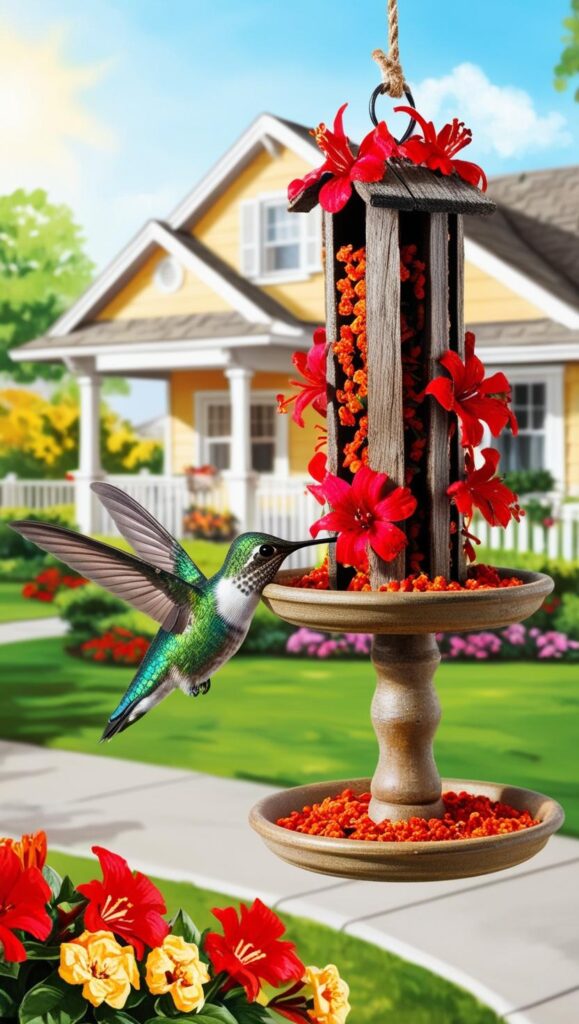
The Best Homemade Hummingbird Food Recipes to Attract More Birds to Your Garden Easily and Naturally
Attracting more hummingbirds to a garden starts with offering the right homemade hummingbird food. The best recipes use simple ingredients like sugar and water, creating a safe and natural nectar that hummingbirds prefer over store-bought options with dyes or additives. This homemade nectar closely mimics what hummingbirds find in flowers.
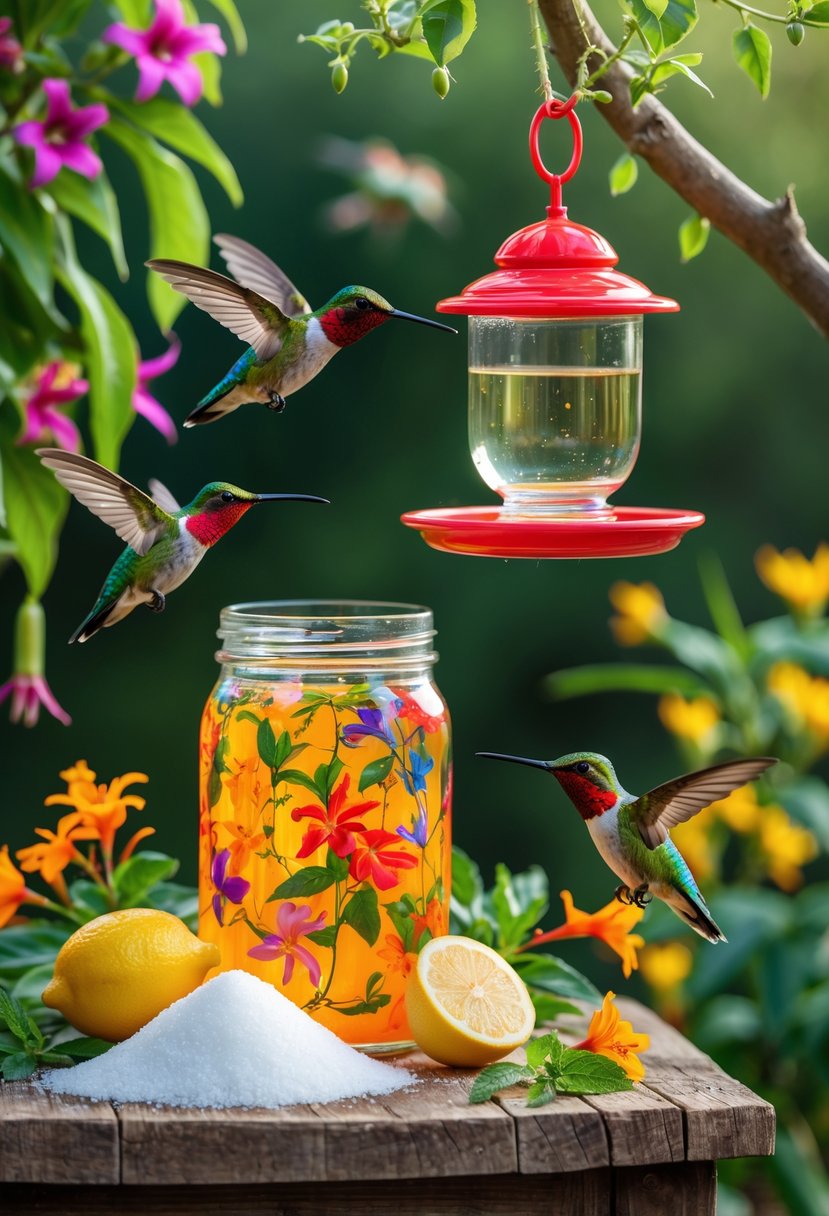
Using an easy recipe not only helps bring these small birds closer but also supports their health. Making hummingbird food at home is affordable and quick, allowing gardeners to refill feeders regularly and keep the birds coming back throughout the season.
A few variations on the basic recipe can help attract different species or accommodate local conditions. By choosing the best homemade hummingbird food, anyone can enjoy watching these colorful birds visit their garden more often.
The Best Homemade Hummingbird Food Recipes
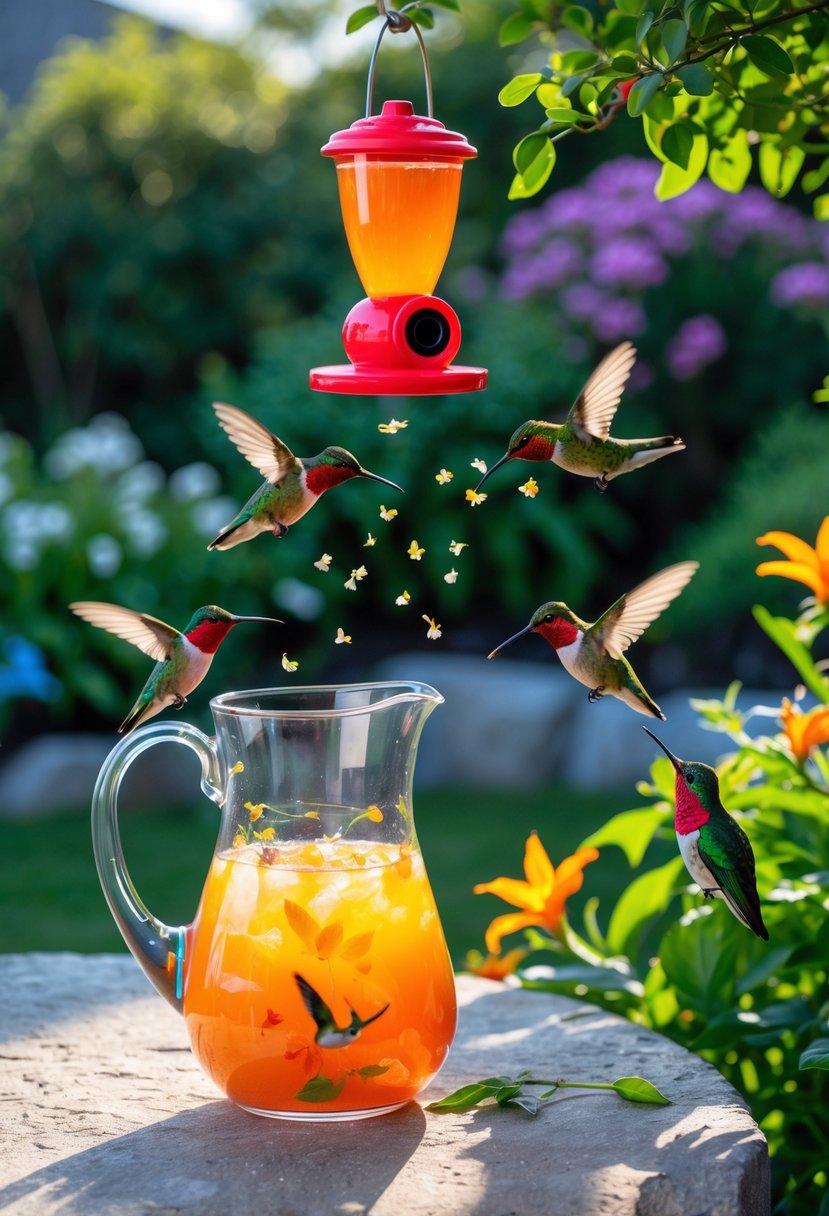
Making hummingbird nectar is simple when you use the right ingredients and techniques. The key is to match the natural sugar content found in flower nectar while keeping the mixture safe and nutritious for the birds. Different recipes can add variety and attract more hummingbirds.
Classic Sugar Water Nectar Recipe
The simplest and most effective homemade hummingbird food recipe is made from white granulated sugar and water. The standard mix is 1 part sugar to 4 parts water.
To prepare it:
- Boil the water first to remove impurities.
- Stir in the sugar until fully dissolved.
- Let the nectar cool before filling the feeder.
Avoid using honey, artificial sweeteners, or red dye, as they can harm hummingbirds. The classic recipe mimics the natural sweetness of flower nectar and provides the energy hummingbirds need without any extra additives.
Flower-Infused Nectar Variations
Adding flowers like hibiscus or elderflower to the basic sugar water can create mild flavor variations that some hummingbirds might prefer. This is done by pouring boiling water over petals and letting it steep for 10-15 minutes before straining.
Flower infusion adds:
- A subtle natural flavor.
- Possible minor nutrients from petals.
This option still follows the 1:4 sugar-to-water ratio after straining. It is important to avoid any flowers treated with pesticides. These variations help create a more natural feeding experience without changing the sugar concentration.
Fruit-Based Hummingbird Nectar Options
Some homemade hummingbird food recipes include fruit juices, such as apple or grape juice, mixed with water and sugar. These fruits provide additional vitamins and a slightly different taste.
A simple recipe includes:
- 3 parts water
- 1 part pure fruit juice
- 1 part white sugar
Always use fresh, unsweetened juice without additives or artificial sweeteners. This blend can attract hummingbirds with its scent and flavor but should be prepared fresh and replaced frequently to avoid fermentation or mold growth.
Maximizing Your Garden to Attract More Hummingbirds
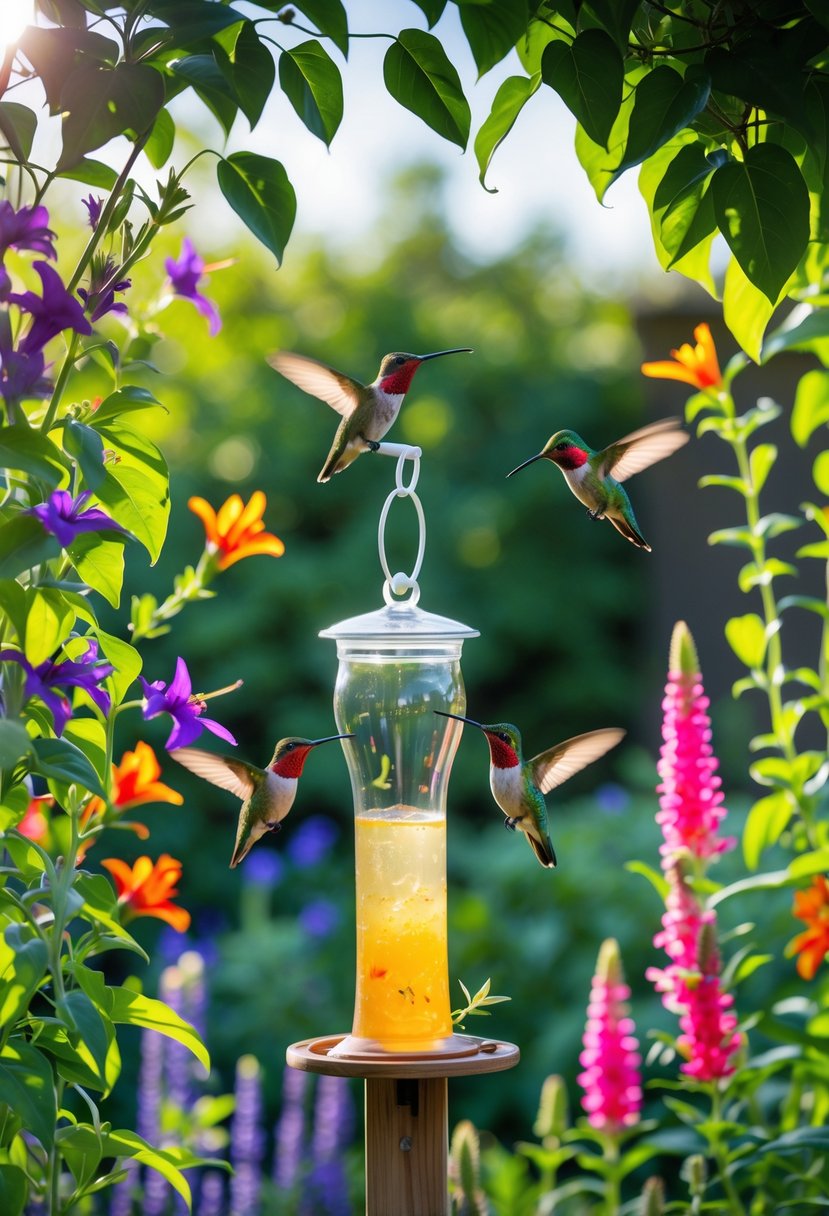
Creating the right environment helps bring more hummingbirds to a garden. This means selecting feeders carefully, placing and cleaning them properly, and using nectar-rich plants that hummingbirds prefer. These steps increase visits and keep hummingbirds healthy and active.
Choosing and Maintaining Hummingbird Feeders
The best hummingbird feeder holds fresh nectar and resists leaks and ants. Feeders with wide ports reduce clogging and allow easy cleaning. Some come with an ant moat that blocks ants from reaching the nectar.
Feeders made of durable plastic or glass work well. Clear feeders help monitor nectar levels quickly. Avoid feeders with red dye in the nectar; instead, choose clear nectar and feeders with red parts to attract hummingbirds safely.
Regular cleaning prevents mold and bacteria. Feeders should be washed with hot water and no soap every 3-5 days, more often in hot weather. Keeping feeders in good condition ensures hummingbirds stay healthy and return often.
Proper Feeder Placement and Maintenance
Feeders should be placed in partially shaded areas to slow nectar spoilage. Hanging them about 4-6 feet off the ground near flowers offers hummingbirds a spot to rest between feedings.
Avoid placing feeders too close to windows to reduce bird collisions. Keep feeders at least 3 feet away from windows. Installing feeders near perches like thin branches lets hummingbirds rest and watch for predators.
Fill feeders with fresh nectar every few days. Empty and clean old nectar regularly to prevent fermentation. Using an ant moat or applying a light barrier like petroleum jelly on hanging hooks can keep ants and other insects away.
Nectar-Rich Plants and Garden Design
Incorporate native, nectar-rich plants to provide natural food alongside feeders. Plants like trumpet vine, salvias, and bee balm are favorites of hummingbirds. These plants bloom at different times, supplying nectar all season.
Group flowers of the same species together. Large clusters are easier for hummingbirds to spot and feed from. Mixing colors such as red, orange, and pink attracts hummingbirds more than white or blue plants.
Adding water features near plants gives hummingbirds a regular water source for drinking and bathing. Avoid pesticides, as these can harm hummingbirds or reduce the insects they feed on. A garden designed with feeders and plants supports healthy, active hummingbirds.
The Best Homemade Hummingbird Food Recipes to Attract More Birds to Your Garden
If you love watching hummingbirds flit and hover through your garden, making your own hummingbird nectar is one of the easiest and most rewarding ways to draw more of these magical birds into your outdoor space. Not only is homemade nectar incredibly simple to make, but it’s also more natural and safer than most store-bought options. Whether you’re a backyard birding enthusiast or just getting started, this guide will help you create the best hummingbird experience possible, from perfect nectar to smart feeder placement, garden enhancements, and seasonal strategies.
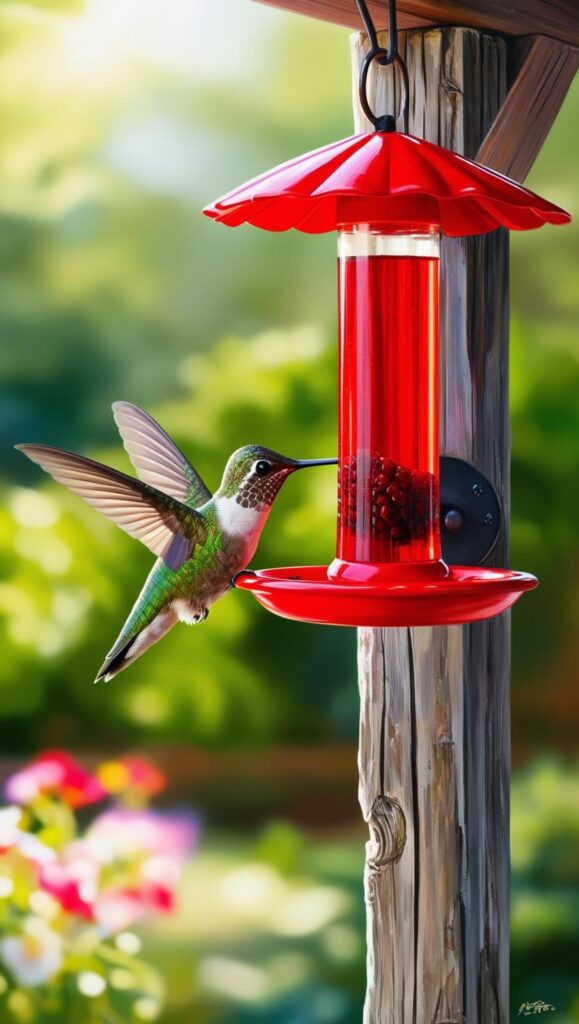
Why Homemade Nectar is Better Than Store-Bought
Many commercial hummingbird food options contain preservatives, artificial dyes, and additives that do more harm than good. While they may look vibrant and appealing to humans, red dye and artificial flavors are unnecessary for hummingbirds and can actually be harmful. Making your own nectar at home allows you to control exactly what goes into your feeders, ensuring your backyard visitors are getting pure, safe, and energy-rich fuel.
Homemade hummingbird food is also more affordable. You can make weeks’ worth of nectar for pennies using ingredients you already have in your pantry. It’s a win-win for you and the birds.
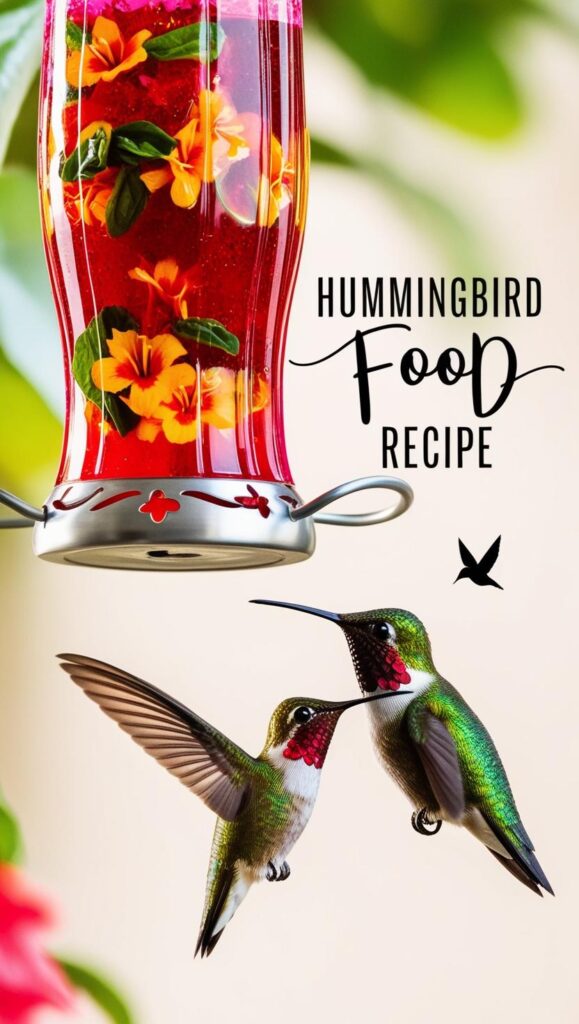
The Perfect Homemade Hummingbird Food Recipe
The ideal hummingbird nectar recipe is incredibly simple: four parts water to one part white granulated sugar. That’s it. This mimics the natural sugar concentration of the nectar found in flowers and provides the quick-burning energy these little birds rely on to power their fast-paced lives.
You can boil the water first to help the sugar dissolve more easily and to kill any potential bacteria or contaminants. After boiling, stir in the sugar until it dissolves completely, then allow it to cool before filling your feeder. If you’re in a pinch, you can use warm tap water instead—just be sure it’s clean and the sugar is fully dissolved.
Avoid using honey, brown sugar, raw sugar, or artificial sweeteners. These ingredients can ferment quickly or cause digestive issues for hummingbirds. Stick to plain white table sugar for the safest option.
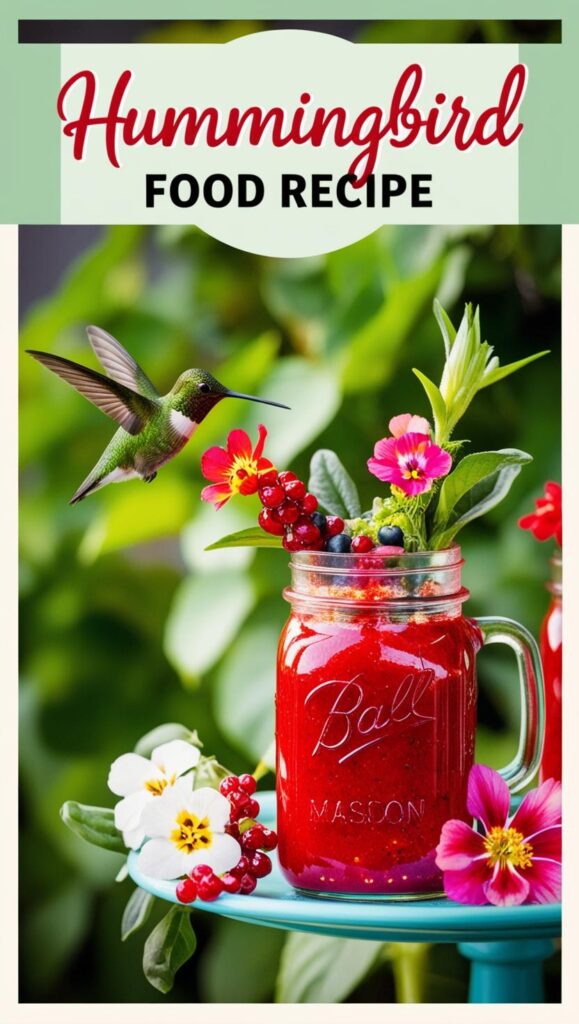
How to Store Homemade Nectar
If you make a large batch of hummingbird food, you can store the extra nectar in the refrigerator for up to one week. Use a clean glass jar or airtight container and make sure to label it so it doesn’t get mistaken for anything else. Always allow refrigerated nectar to reach room temperature before refilling your feeder.
Keeping extra nectar on hand makes it easy to change your feeders frequently, which is essential during warm weather to prevent spoilage.
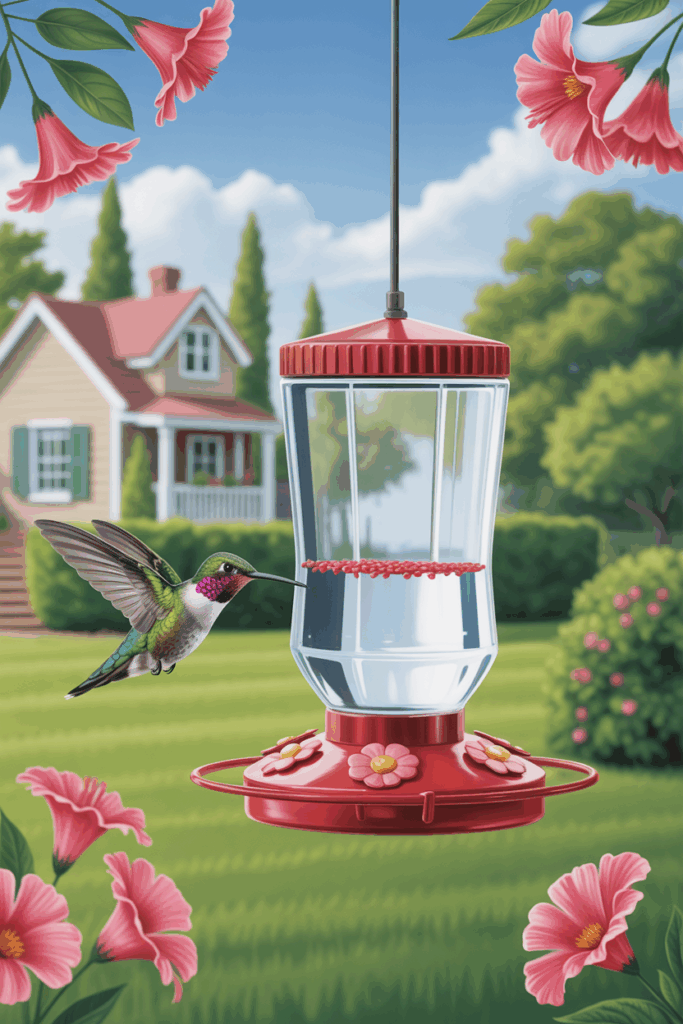
Feeder Placement Tips
Where you hang your feeders is just as important as what’s in them. Hummingbirds are highly visual and will be more attracted to feeders that are easy to spot and placed near natural food sources. Try to hang your feeders in a partially shaded area to slow down fermentation and keep the nectar cooler throughout the day.
Position your feeder about four to six feet off the ground, ideally near flowering plants or shrubs that provide additional food and shelter. Hummingbirds love spots that give them quick access to cover where they can rest and escape from predators.
If you have more than one feeder, space them out around your yard to reduce territorial behavior. Hummingbirds can be surprisingly aggressive when defending a food source, so multiple feeders help encourage peaceful coexistence and allow more birds to visit.
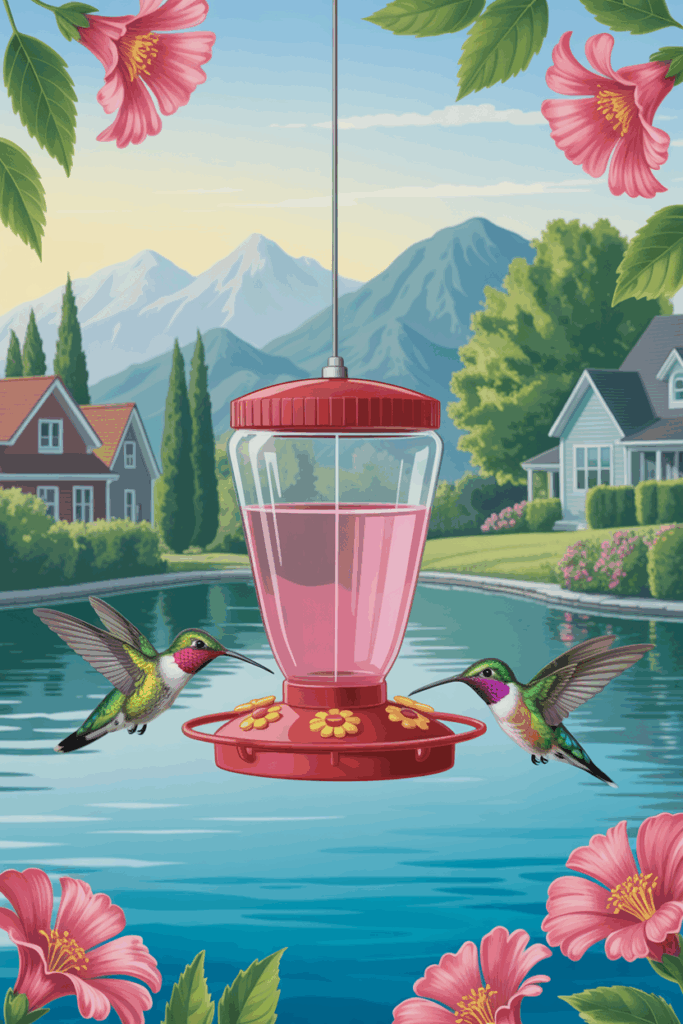
How Often to Change Hummingbird Nectar
In hot weather, nectar should be changed every two to three days to prevent spoilage, mold, and fermentation. During cooler seasons, you can typically go up to four or five days between changes. If the nectar appears cloudy or has any floating particles or growth, discard it immediately and clean the feeder before refilling.
Feeder maintenance is critical to hummingbird health. A dirty feeder can harbor bacteria and mold that can make birds sick or even cause death. Make it part of your routine to rinse and scrub your feeders regularly using hot water and a small bottle brush. Avoid using soap, as it can leave residue that hummingbirds don’t like.
How to Clean Hummingbird Feeders Properly
To clean your feeders thoroughly, soak them in hot water and scrub all the parts, especially the feeding ports. A small toothbrush or pipe cleaner works well for hard-to-reach areas. If needed, you can use a vinegar solution for a deeper clean. Rinse thoroughly with clean water before adding new nectar.
Set a reminder or schedule on your phone to clean your feeders at the same time each week to build a habit and ensure your feeders are always fresh and safe.
When to Hang Hummingbird Feeders by Region
Knowing when hummingbirds arrive in your area helps you plan your feeder setup in advance. In the southern United States, hummingbirds may arrive as early as February. In the Midwest and central states, they usually show up around April. In northern areas and Canada, expect their arrival in May. It’s best to hang your feeders about two weeks before you expect to see your first hummingbird, just in case early migrants arrive.
Leave feeders up until several weeks after you see the last hummingbird in fall. Late migrants may still be passing through, and having food available can be the difference between life and death during their long journey south.
Attracting More Hummingbirds with Native Plants
Hummingbirds love feeders, but they’re also drawn to colorful, nectar-rich flowers. Incorporating native plants into your landscaping provides natural food sources, shelter, and breeding habitat, making your garden even more attractive to them.
Some hummingbird favorites include bee balm, trumpet vine, coral honeysuckle, salvia, petunias, and lantana. Choose red, orange, and pink varieties when possible—hummingbirds are especially drawn to those colors. Group flowers together in clusters to create bright, visible feeding zones.
Adding potted flowering plants on patios, decks, or window boxes can also help you attract hummingbirds even in small spaces.
Water and Shelter for Hummingbirds
In addition to food, hummingbirds need clean water to drink and bathe. A shallow birdbath with stones for perching or a gently dripping fountain will attract their attention. Misters are another favorite—they love to fly through the fine spray to cool off and clean their feathers.
Providing shelter is just as important as providing food. Hummingbirds need trees and shrubs for protection, nesting, and resting. Avoid removing too much natural foliage, and plant dense, leafy shrubs when possible.
Troubleshooting Common Hummingbird Feeder Problems
If you notice fewer birds visiting your feeders, or if the nectar is disappearing too quickly, it might be time to troubleshoot. Ants, bees, and wasps can be a problem, especially during summer. Use ant moats to block crawling insects and choose bee-proof feeders with small ports to reduce intrusion.
Aggressive birds may also chase others away. If you notice bullying behavior, space your feeders farther apart or place some out of sight from each other. This can help create peaceful feeding zones and allow multiple birds to enjoy your garden.
If your nectar is spoiling quickly, try moving feeders to a shadier area, cleaning more frequently, or making smaller batches so there’s less waste.
Fun Facts About Hummingbirds
Hummingbirds are fascinating creatures. They can beat their wings up to 80 times per second, fly backward, and hover like tiny helicopters. Despite their small size, they have huge appetites and can consume up to half their body weight in nectar each day.
They have excellent memories and can remember every flower and feeder they’ve visited, returning to reliable food sources year after year. Some migrate thousands of miles between seasons, with certain species flying nonstop across the Gulf of Mexico.
Watching hummingbirds up close gives you a front-row seat to one of nature’s most awe-inspiring performances—and it all starts with a little sugar and water.
Make Your Yard a Hummingbird Haven
Creating a hummingbird-friendly garden doesn’t require a lot of space or money. With just a few feeders, some thoughtful plant choices, and regular maintenance, you can transform your outdoor space into a vibrant sanctuary buzzing with life. Start with the simple 4-to-1 nectar recipe, keep your feeders clean and fresh, and add flowering plants that bloom through spring, summer, and fall.
Once the hummingbirds discover your yard, they’ll come back again and again. There’s nothing quite like the magic of hearing the soft buzz of wings and seeing a flash of iridescent color darting from bloom to bloom. It’s one of the simplest and sweetest joys of backyard nature.
🌿 Final Thoughts
Hummingbirds will keep coming back to a reliable source of fresh nectar. By sticking to natural recipes and safe feeding practices, you can enjoy their beauty all season long.