
25 Creative Small Garden Design Ideas to Transform Your Space
Creating a small garden can be a fun and rewarding experience! With a little creativity and planning, you can turn any compact space into a charming green retreat. From vertical gardens to container plants and cozy seating areas, there are plenty of ideas to help you maximize your small garden’s potential. Let’s dig into some inspiring design options!
This post may contain affiliate links.
PIN TO YOUR OUTDOOR GARDEN PINTEREST BOARDS

Using Pathways to Define Spaces
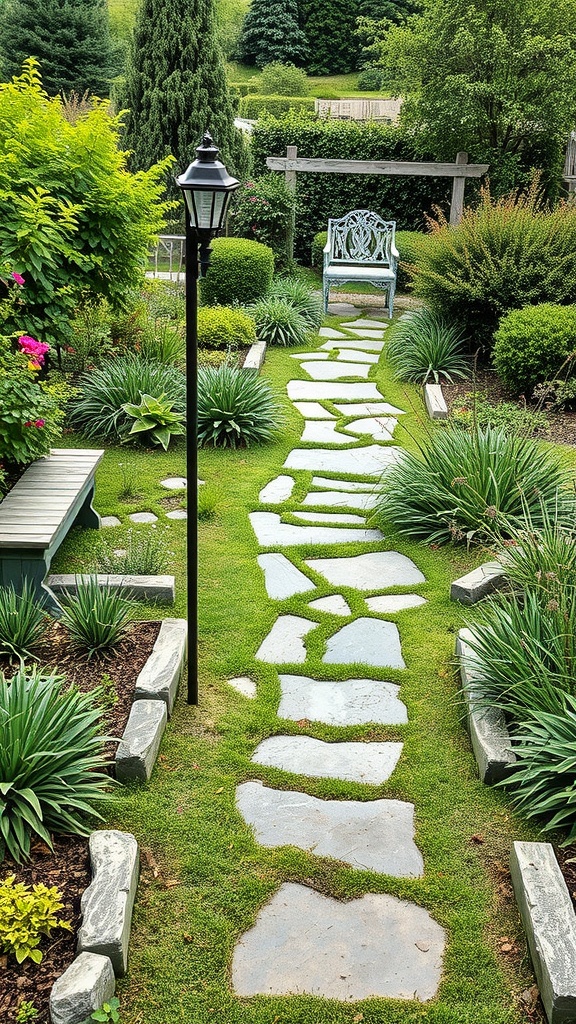
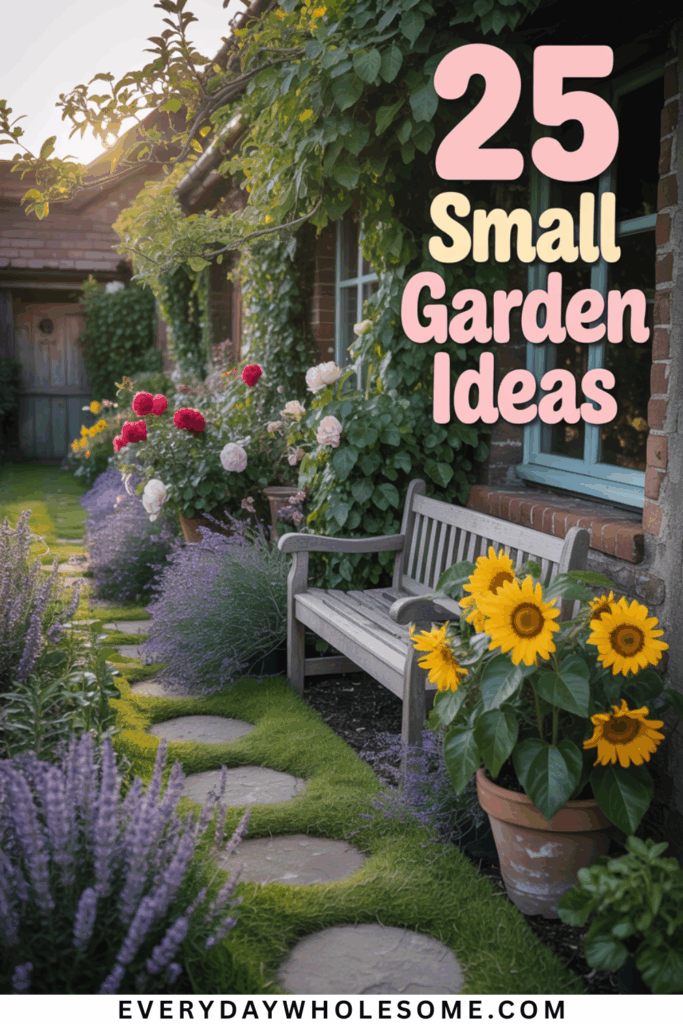
Pathways are a fantastic way to shape your garden. They guide the eye and create a sense of flow. In the image, you can see a charming stone pathway winding through lush greenery. This design invites you to explore the garden while keeping everything organized.
The stones are laid out in a natural pattern, which adds character. They lead to a cozy seating area, perfect for relaxing. Surrounding plants add texture and color, making the space feel alive.
Using pathways not only defines areas but also enhances accessibility. You can easily navigate through your garden without stepping on delicate plants. Plus, they encourage visitors to wander and enjoy different sections of your outdoor space.
Consider using materials that blend with your garden’s theme. Whether it’s stone, gravel, or wood, the right choice can complement your plants and overall design. A well-placed pathway can turn a small garden into a delightful retreat.
Water Features for Tranquility
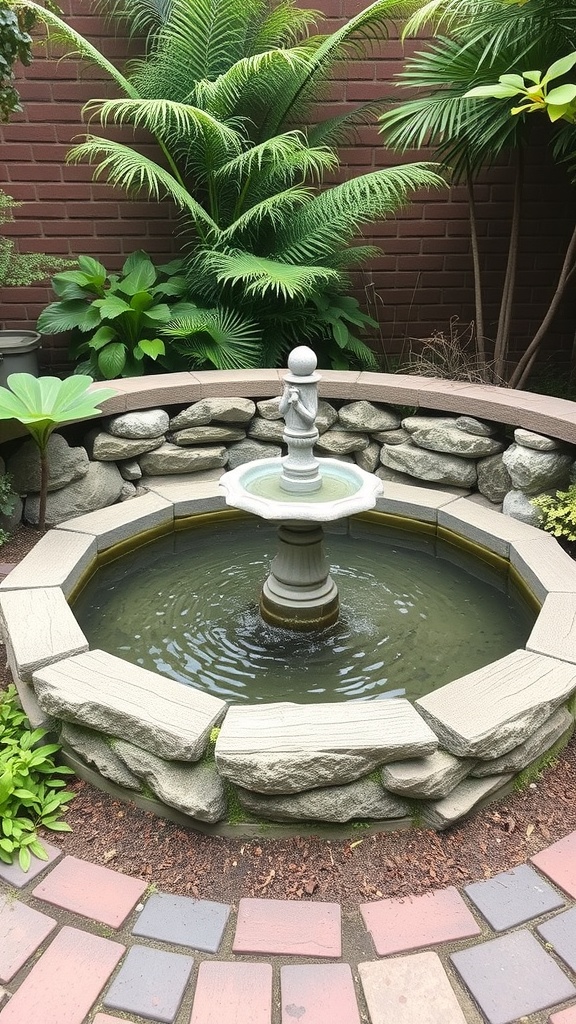
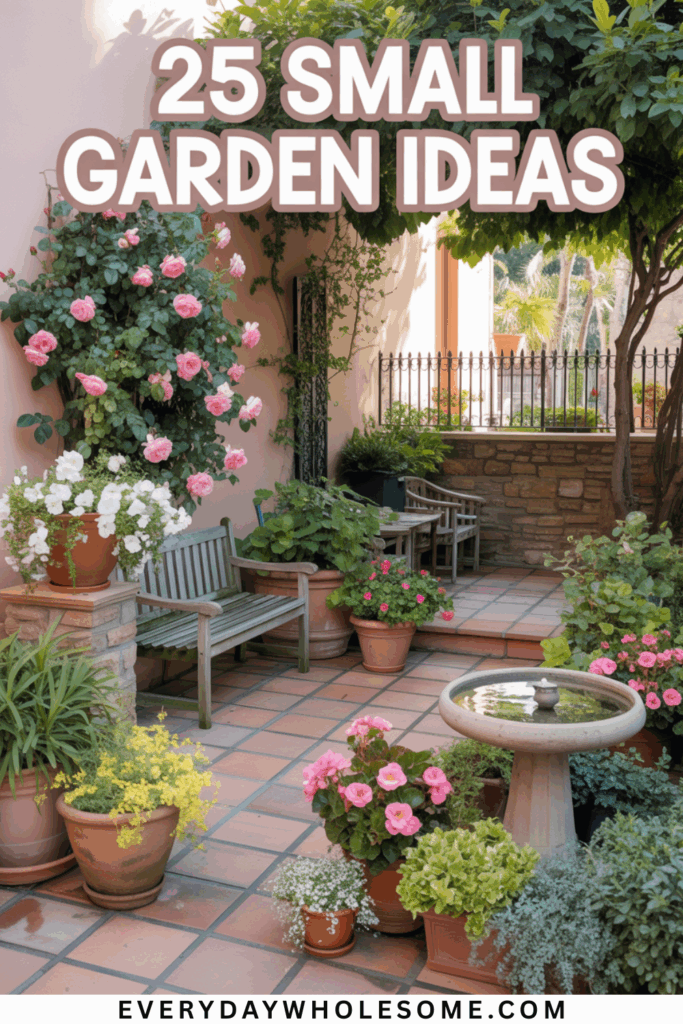
Water features can add a peaceful touch to any small garden. The image shows a charming fountain surrounded by lush greenery. This setup creates a serene atmosphere, perfect for relaxation.
The fountain, with its gentle flow, draws the eye and invites you to pause and enjoy the moment. The sound of trickling water can be very calming, making it a great addition to your outdoor space.
Surrounding the fountain, the stones and plants create a natural look. This combination not only enhances the beauty of the garden but also helps to integrate the water feature into its surroundings. Consider adding some colorful flowers nearby to brighten up the area even more.
When designing your small garden, think about how a water feature can transform the space. It can serve as a focal point, drawing attention and providing a sense of tranquility. Whether it’s a simple fountain or a small pond, the right water feature can make your garden feel like a peaceful retreat.
Vertical Gardening for Limited Spaces
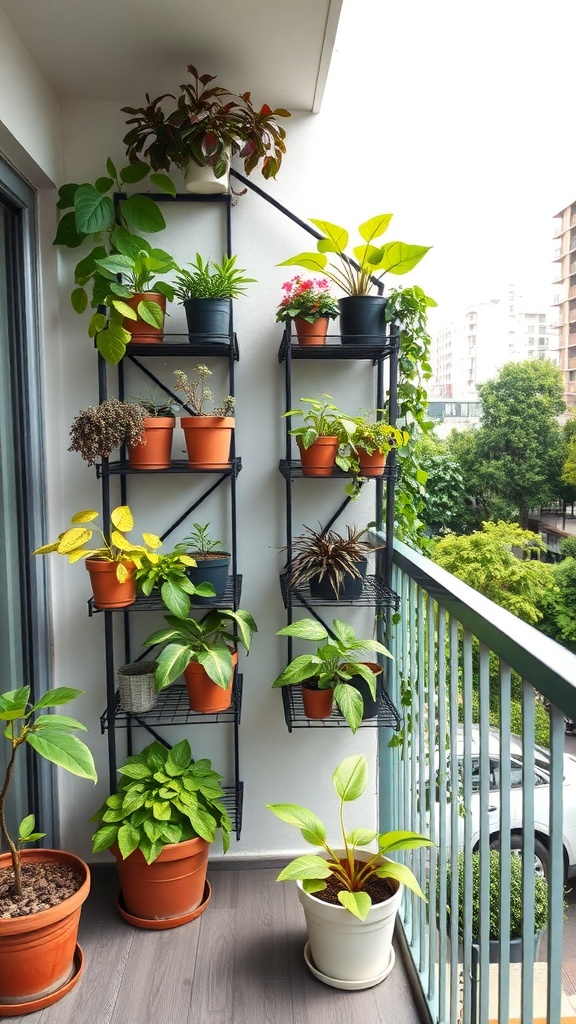
Vertical gardening is a fantastic way to maximize small spaces. The image shows a well-organized vertical garden on a balcony, showcasing various plants in pots arranged on a sleek shelving unit. This setup not only saves space but also adds a lively touch to the area.
Using vertical space allows you to grow a variety of plants, from herbs to flowers. The plants are neatly displayed, making it easy to care for them. This method is perfect for those who live in apartments or have limited outdoor areas.
Incorporating vertical gardening can transform a dull corner into a vibrant green spot. You can mix different types of plants to create visual interest. Plus, it’s a fun way to experiment with different plant combinations and colors.
For anyone looking to start a vertical garden, consider using lightweight pots and sturdy shelving. This will help ensure your plants thrive while keeping everything organized. With a little creativity, you can turn any small space into a green paradise!
Creating a Cozy Seating Area
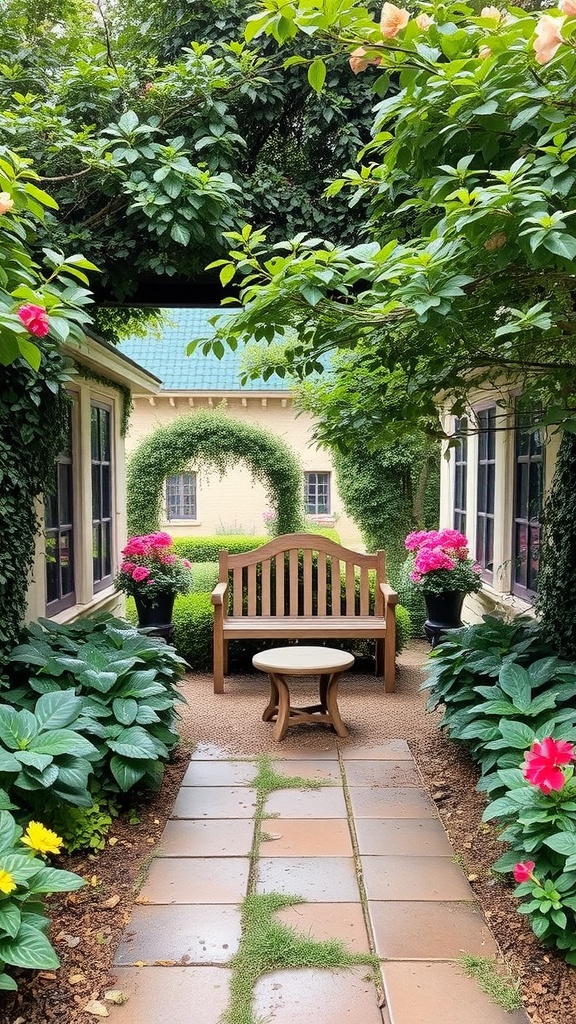
A small garden can be transformed into a cozy retreat with just a few thoughtful touches. The image shows a charming seating area framed by lush greenery and vibrant flowers. A wooden bench invites you to sit and relax, while a small table adds a practical touch for drinks or books.
The pathway leading to the bench is lined with beautiful plants, creating a welcoming atmosphere. This setup encourages you to take a break and enjoy the beauty of nature. The surrounding flowers add pops of color, making the space feel lively and inviting.
Incorporating comfortable seating in your garden is key. Whether it’s a bench, chairs, or even a swing, having a designated spot to unwind can enhance your outdoor experience. Adding cushions or throws can make it even cozier, perfect for those chilly evenings.
Consider placing potted plants around your seating area to create a sense of privacy and intimacy. This can help you feel more connected to your garden while providing a peaceful escape from the hustle of daily life.
Incorporating Edible Plants in Small Gardens
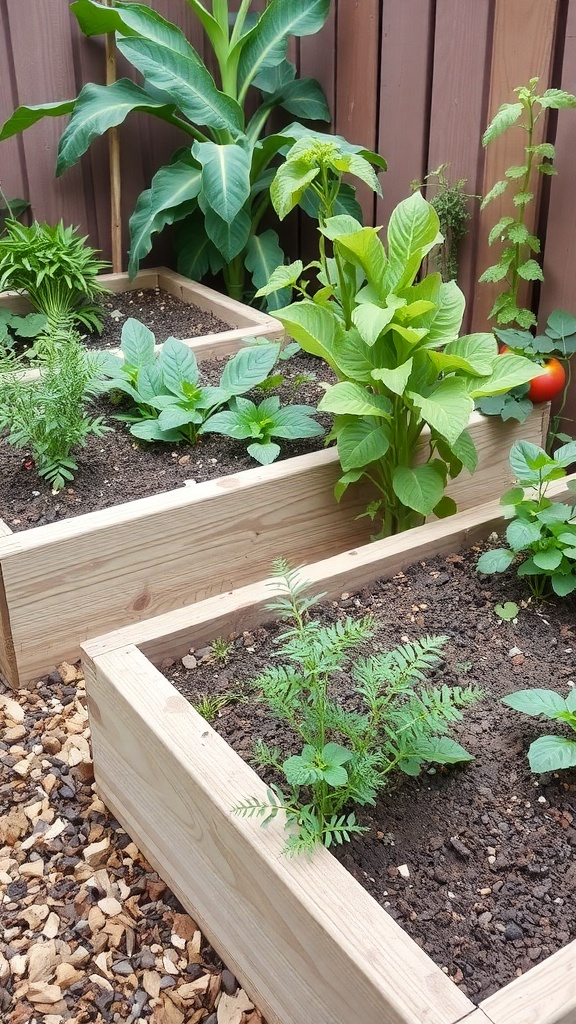
Small gardens can be a great place to grow edible plants. The image shows raised garden beds filled with a variety of greens and herbs. These beds maximize space and make it easy to tend to your plants.
Growing your own food can be rewarding. You can enjoy fresh herbs, leafy greens, and even tomatoes right from your garden. In the picture, you can see a mix of plants, which is a smart way to use the available space.
Consider planting herbs like basil or parsley alongside vegetables. They not only add flavor to your meals but also attract beneficial insects. The raised beds in the image allow for good drainage and easy access, making gardening more enjoyable.
Don’t forget about vertical gardening! You can add trellises for climbing plants like beans or cucumbers. This saves ground space while adding visual interest. With a little creativity, your small garden can become a productive and beautiful spot.
Container Gardening with Colorful Flowers
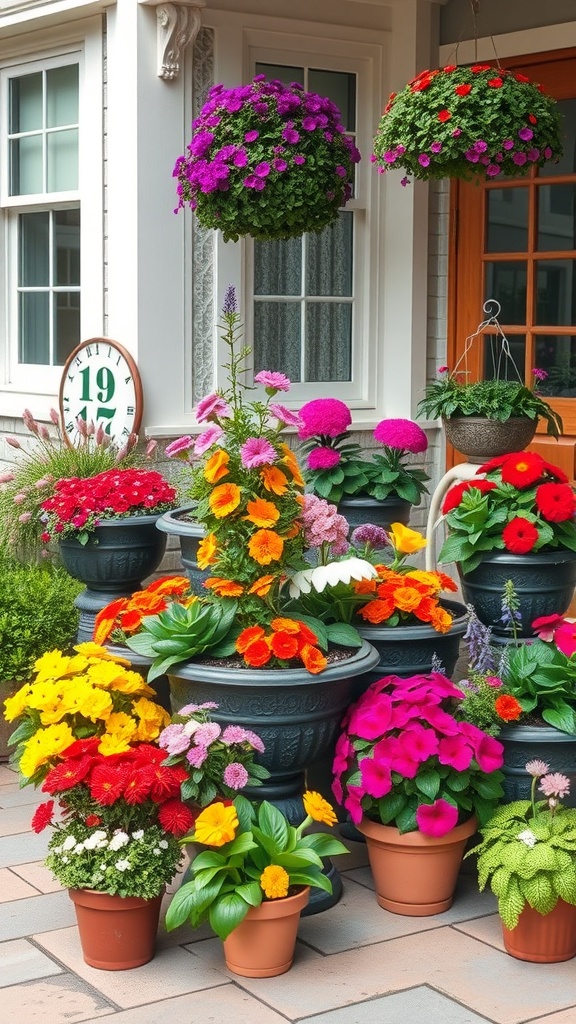
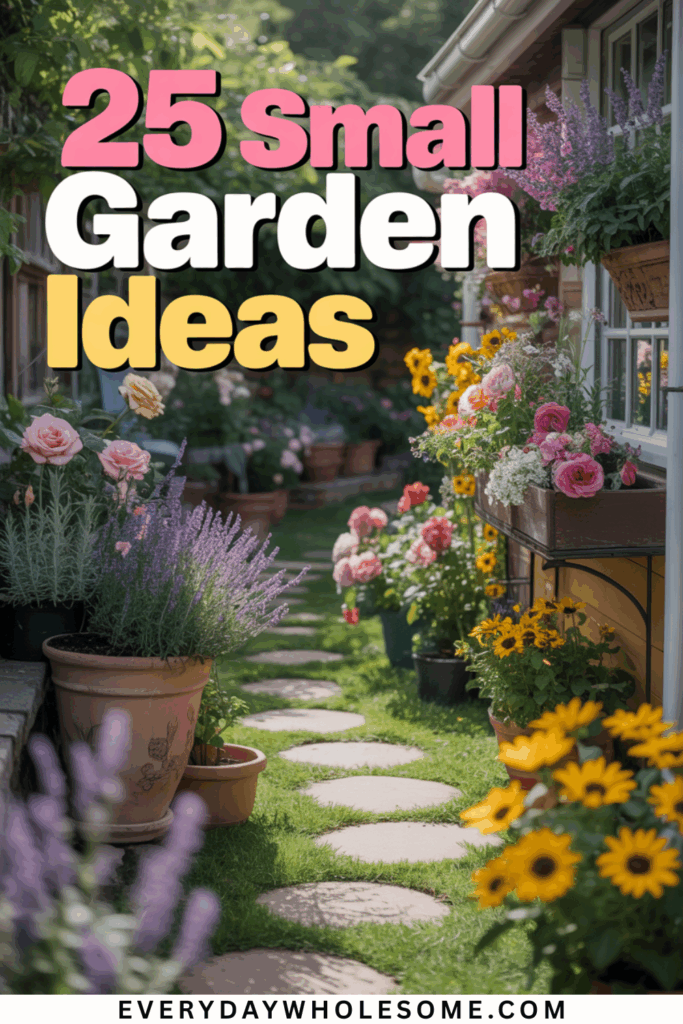
Container gardening is a fantastic way to bring life and color to small spaces. Imagine a vibrant display of flowers in various pots, creating a cheerful atmosphere right at your doorstep. The image showcases a delightful arrangement of colorful blooms in different containers, making it a perfect example of how to brighten up any area.
In this setup, you can see hanging baskets filled with purple and red flowers, adding height and dimension. The ground is adorned with pots of all shapes and sizes, each bursting with lively colors like yellow, pink, and orange. This variety not only enhances the visual appeal but also allows for creativity in design.
Choosing the right flowers is key. Opt for annuals like petunias, geraniums, and marigolds for a long-lasting show of color. Mixing different textures and heights can create a dynamic look that draws the eye. Remember to consider the sunlight and watering needs of each plant to keep them thriving.
Container gardening is not just about aesthetics; it’s also about enjoying the process. Planting and caring for flowers can be a relaxing hobby. So grab some pots, pick your favorite flowers, and start creating your own colorful garden!
Maximizing Sunlight with Reflective Surfaces
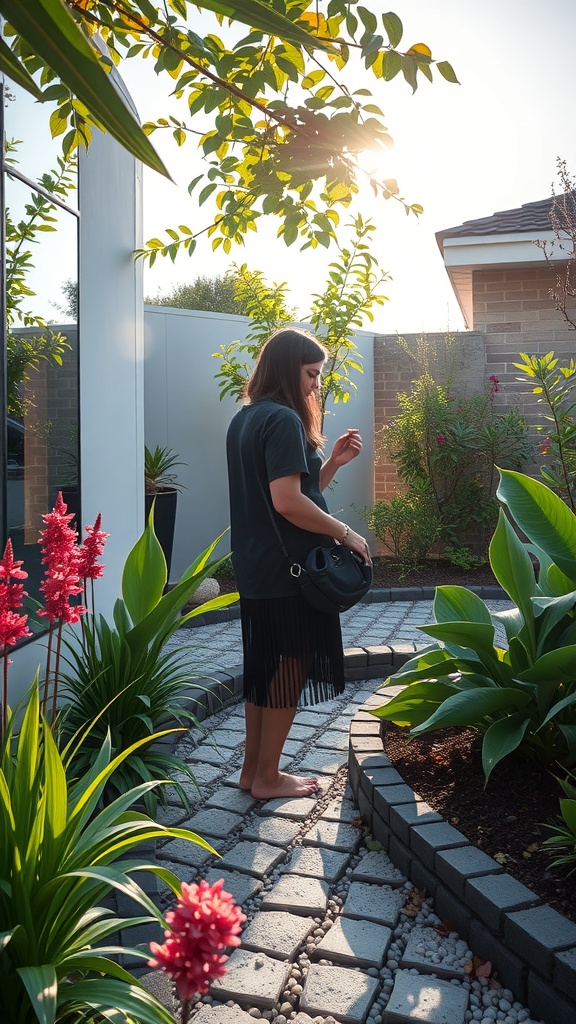
Creating a small garden can be a delightful experience, especially when you think about how to make the most of sunlight. In the image, we see a lovely garden path surrounded by vibrant plants and flowers. The sunlight filters through the leaves, creating a warm and inviting atmosphere.
Using reflective surfaces is a smart way to enhance the light in your garden. For instance, adding light-colored stones or tiles can bounce sunlight around, making the space feel brighter. The pathway in the image, with its light stones, effectively reflects sunlight, adding to the garden’s charm.
Incorporating mirrors or shiny garden decor can also help. They can create an illusion of more space and brightness. Just like the plants in the image, which thrive in the sun, your garden will benefit from maximizing light. Think about how you can use these ideas to make your small garden feel more open and lively!
Layering Plants for Depth and Texture
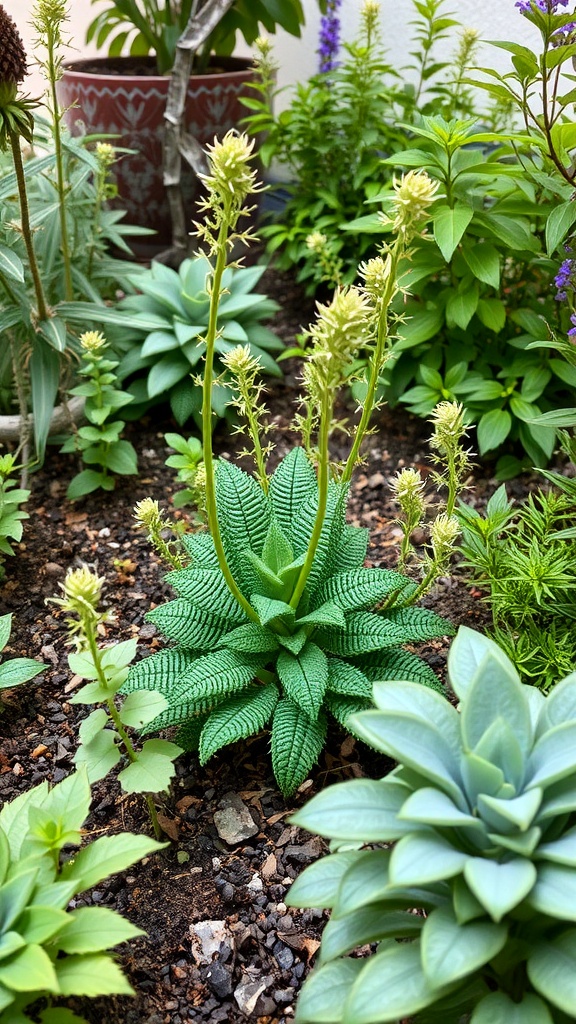
Creating a small garden can be a fun and rewarding experience. One way to make your garden visually appealing is by layering plants. This technique adds depth and texture, making the space feel more dynamic.
In the image, you can see a variety of plants arranged closely together. The lush green leaves of the central plant stand tall, while shorter plants surround it. This layering creates a sense of height and fullness. The different shapes and colors of the leaves add interest, inviting the eye to explore the garden.
Using a mix of tall, medium, and low plants is key. Taller plants can serve as a backdrop, while medium and low plants fill in the foreground. This not only enhances the visual appeal but also allows for better light and air circulation among the plants.
Don’t forget to consider the blooming seasons of your plants. Mixing plants that bloom at different times can keep your garden lively throughout the year. This way, you can enjoy a colorful display no matter the season.
Incorporating Garden Art and Decor
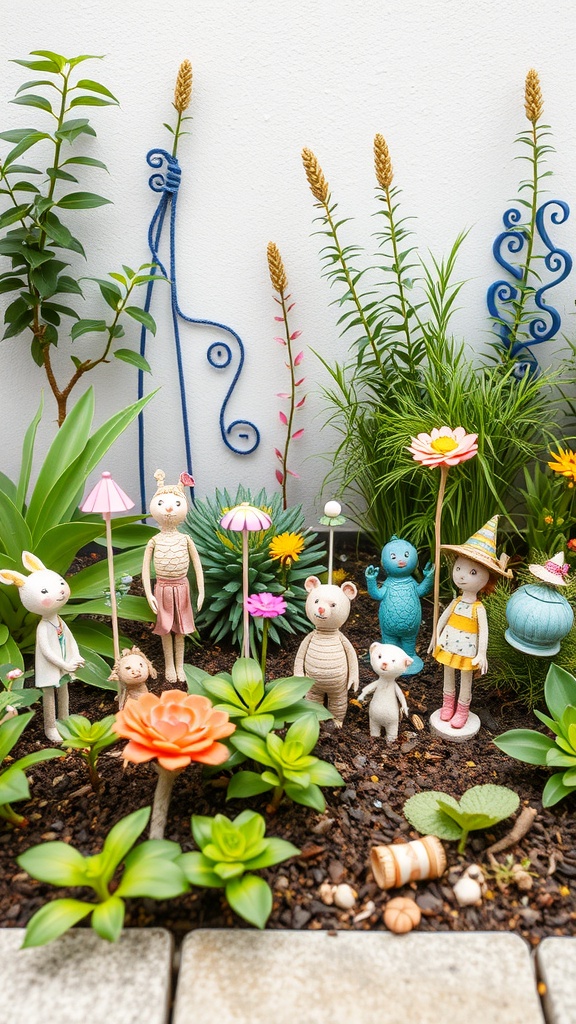
Adding art and decor to your garden can make it feel more inviting and personal. The image shows a charming little garden filled with playful figurines and colorful plants. Each piece of decor tells a story and adds character to the space.
The whimsical figures, like the bunny and bear, bring a sense of fun. They can spark joy and imagination, especially for kids. Placing these figures among the greenery creates a delightful scene that draws the eye.
Colorful plants, like the orange flower and vibrant succulents, complement the decor beautifully. They not only enhance the visual appeal but also add texture and life to the garden. Mixing different heights and colors keeps things interesting.
Consider using unique items like painted pots or decorative stakes to add even more flair. These small touches can transform a simple garden into a lively retreat. Remember, your garden is a reflection of you, so let your creativity shine!
Utilizing Wall Space for Plant Growth
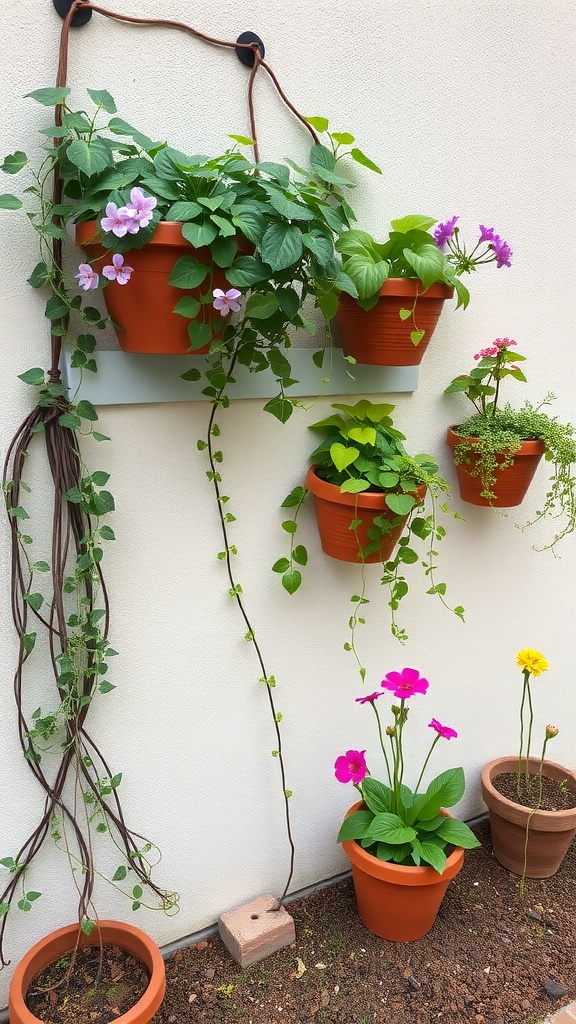
Using wall space for plants is a smart way to maximize your garden area. The image shows a lovely arrangement of potted plants mounted on a wall. This setup not only saves ground space but also adds a unique visual appeal to your garden.
The pots are filled with vibrant flowers and lush greenery, creating a lively atmosphere. The cascading vines add depth and movement, making the wall a focal point. This design is perfect for small gardens where every inch counts.
Vertical gardening is an excellent option for those who want to grow herbs, flowers, or even small vegetables. By using shelves or hooks, you can create a stunning display that is both functional and beautiful. Plus, it’s a great way to keep plants off the ground, which can help with drainage and pest control.
Consider using different pot sizes and colors to create visual interest. Mixing trailing plants with upright varieties can make your wall garden even more dynamic. With a little creativity, your wall can become a thriving green space.
Using Color Theory in Plant Selection
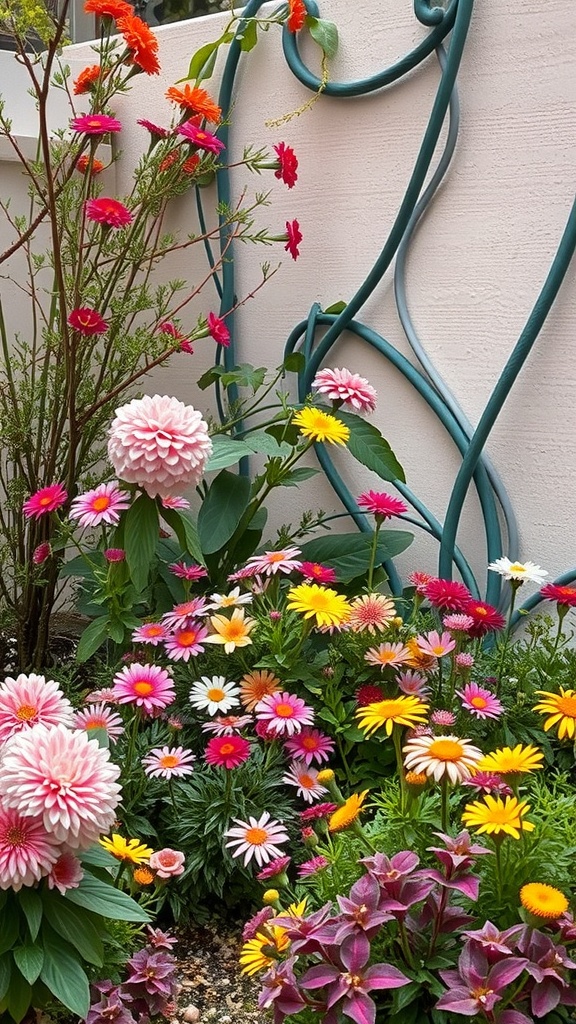
Choosing plants for your small garden can be a fun and creative process. The image shows a vibrant mix of flowers, showcasing how color can bring life to any space. Bright pinks, yellows, and reds create a cheerful atmosphere, making the garden feel welcoming and lively.
When selecting plants, think about how colors interact. Complementary colors, like pink and green, can create a balanced look. The flowers in the image demonstrate this beautifully, with their varied hues enhancing each other. This approach can make your garden feel more cohesive.
Don’t shy away from mixing different shades. The combination of warm and cool colors can add depth and interest. For example, the warm yellows and reds paired with cooler greens make the garden pop. This technique can transform a small area into a visually appealing retreat.
Consider the seasons too. Some flowers bloom at different times, allowing you to maintain color throughout the year. The image highlights a mix of blooms that could provide beauty from spring to fall. Planning for seasonal changes can keep your garden looking fresh.
Creating a Focal Point with a Statement Plant
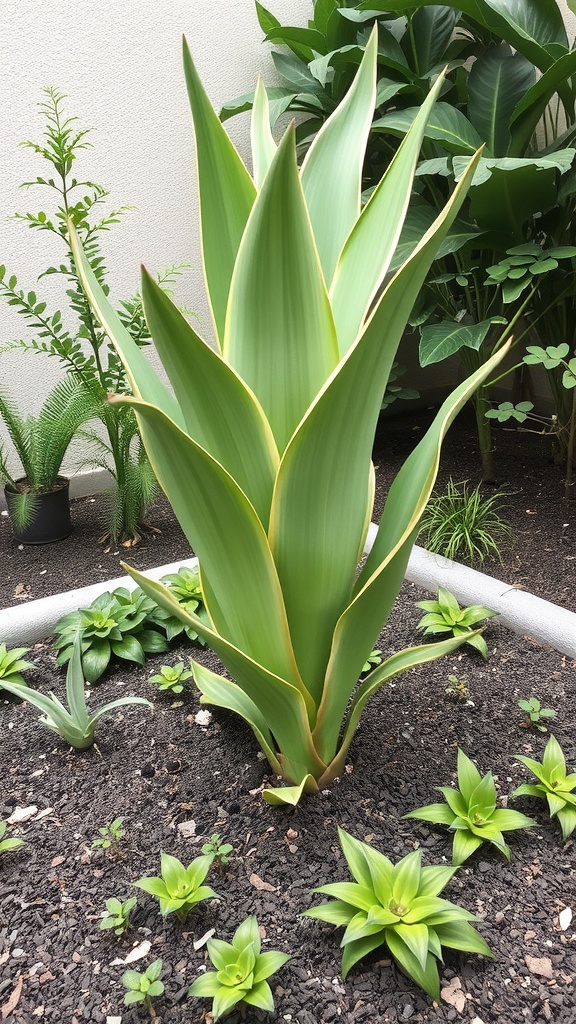
When designing a small garden, a statement plant can really make a difference. In the image, we see a striking plant that draws the eye. Its tall, spiky leaves stand out against the softer greenery surrounding it. This creates a beautiful contrast that adds depth to the garden.
Choosing a statement plant like this one can help define the space. It serves as a focal point, guiding the viewer’s gaze and adding interest. The surrounding smaller plants complement it well, creating a layered look without overwhelming the area.
Consider the colors and shapes of your plants when selecting a statement piece. A bold plant can bring energy to your garden, while softer plants can provide balance. This combination makes the garden feel more inviting and well thought out.
Creating a Garden Path with Gravel or Mulch
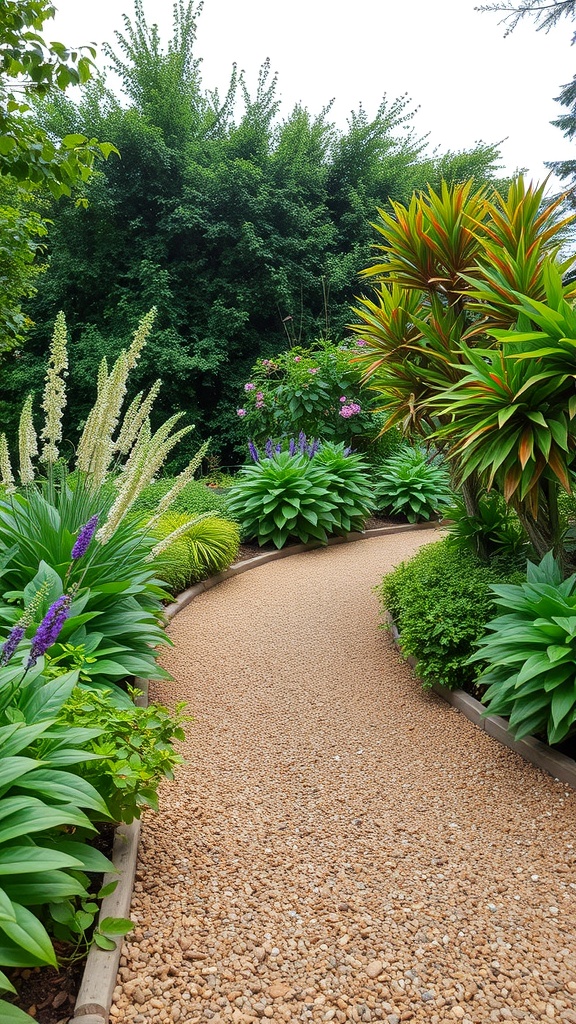
Creating a garden path using gravel or mulch is a simple yet effective way to enhance your outdoor space. The image shows a winding path made of gravel, bordered by lush greenery and colorful plants. This design not only adds beauty but also provides a practical way to navigate through your garden.
Gravel paths are low maintenance and allow for good drainage. They can be shaped to fit the natural curves of your garden, making them a flexible option. The earthy tones of the gravel blend well with the surrounding plants, creating a harmonious look.
Mulch paths, on the other hand, offer a softer feel underfoot. They can be made from various materials, such as wood chips or bark, and help retain moisture in the soil. This is especially beneficial for the plants alongside the path, as they thrive with the added moisture.
When designing your path, consider the width and shape. A narrower path can create a more intimate feel, while a wider one allows for easier movement. Adding edging, like wooden borders, can help keep the gravel or mulch in place and define the path clearly.
Designing a Wildlife-Friendly Garden
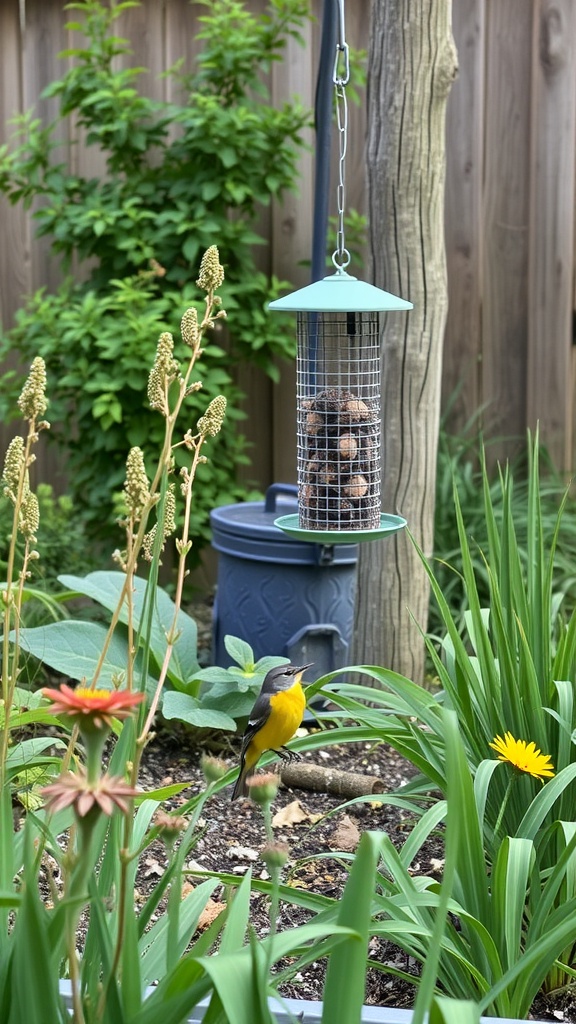
Creating a wildlife-friendly garden is a delightful way to connect with nature. Imagine a space filled with vibrant plants and the joyful sounds of birds. In the image, we see a charming scene featuring a bird feeder, which attracts local birds looking for a snack. This simple addition can bring life to your garden.
Consider planting native flowers that provide food and shelter for various creatures. The colorful blooms in the image, like the yellow flower and the pink zinnia, are not just pretty; they also attract pollinators. A diverse plant selection encourages butterflies and bees to visit, making your garden a lively ecosystem.
Don’t forget about water sources! A small birdbath or a shallow dish can make a big difference. Birds need water for drinking and bathing, and having it readily available will keep them coming back. The combination of food, water, and shelter creates a welcoming environment for wildlife.
Lastly, try to limit pesticide use. Chemicals can harm beneficial insects and birds. Instead, focus on natural pest control methods. By making these small changes, your garden can become a thriving habitat for wildlife, bringing joy and beauty to your outdoor space.
Incorporating a Small Herb Spiral
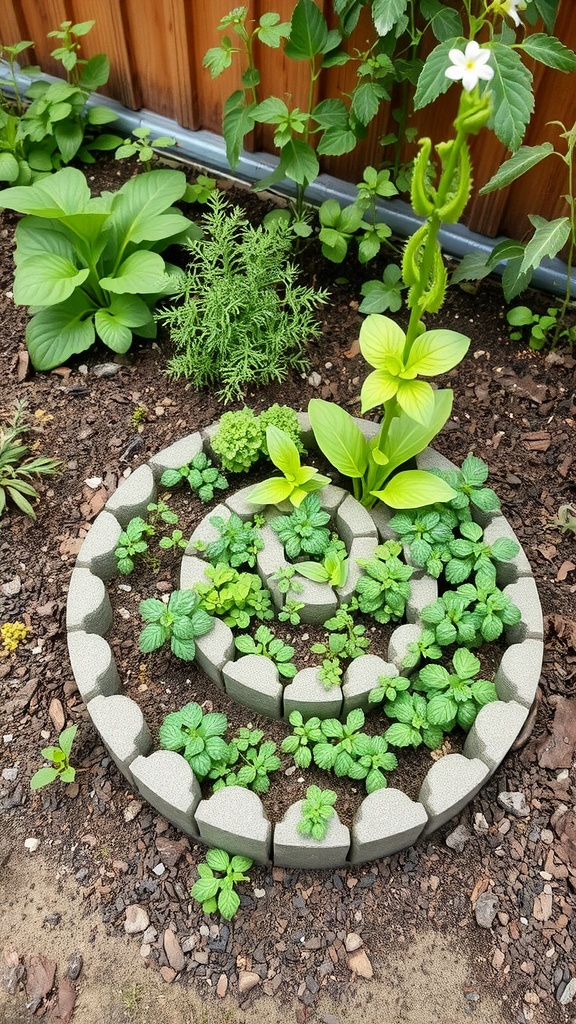
A small herb spiral is a fun and efficient way to grow herbs in a limited space. This design not only looks great but also maximizes the use of vertical space. The spiral shape creates different microclimates, allowing various herbs to thrive in their preferred conditions.
In the image, you can see a well-structured herb spiral made from stone or concrete blocks. The spiral design is both practical and visually appealing. It features a variety of herbs, including mint and other leafy greens, which are arranged in a way that makes them easy to access.
Herb spirals are perfect for small gardens. They can fit into tight corners or small yards, making them an ideal choice for urban gardening. Plus, they add a unique touch to your garden design.
To create your own herb spiral, start by choosing a sunny spot in your garden. Gather materials like stones or bricks to form the spiral shape. Fill the center with rich soil and plant your favorite herbs. Water them regularly, and soon you’ll have a thriving herb garden right at your fingertips!
Creating Shade with Pergolas or Arbors
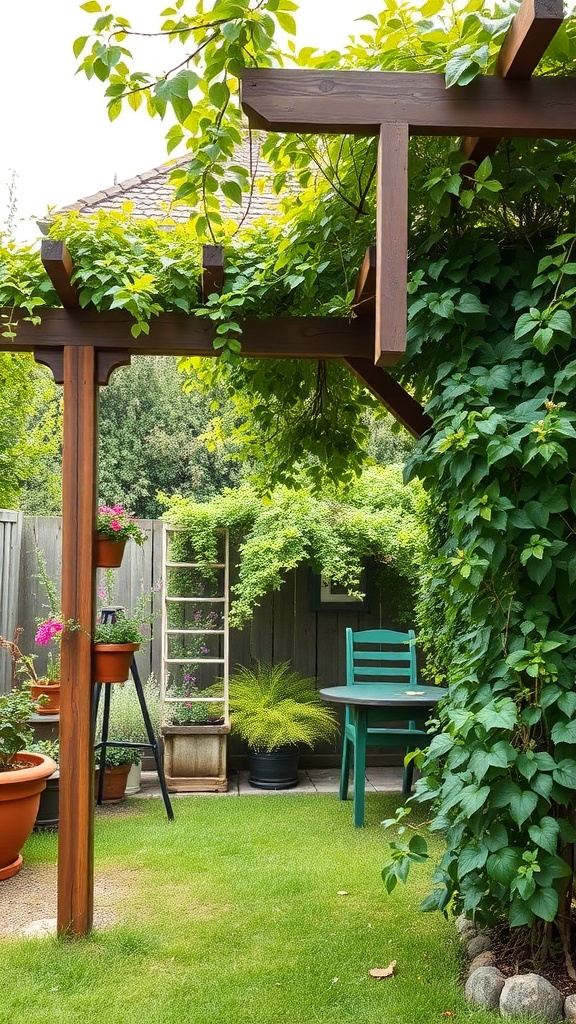
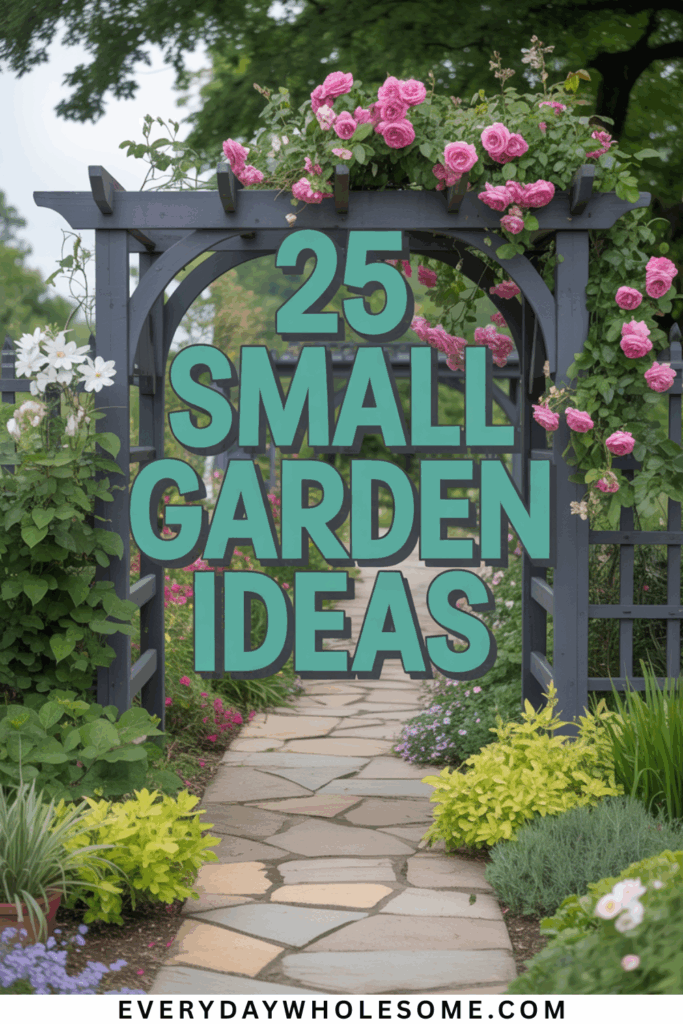
Pergolas and arbors can transform a small garden into a cozy retreat. The image shows a lovely wooden pergola draped with lush greenery. This setup not only provides shade but also adds a touch of charm to the space.
In small gardens, every inch counts. A pergola can create a defined area for relaxation or dining. The green vines climbing the structure offer a natural canopy, making it a perfect spot to unwind on warm days.
Consider adding climbing plants like wisteria or jasmine to enhance the look. They not only provide shade but also fill the air with delightful scents. A few potted plants around the base can further beautify the area, making it feel inviting.
With a simple table and chairs underneath, you can enjoy meals or morning coffee in a serene setting. This design idea is practical and visually appealing, making the most of your small garden.
Using Colorful Paving Stones for Pathways
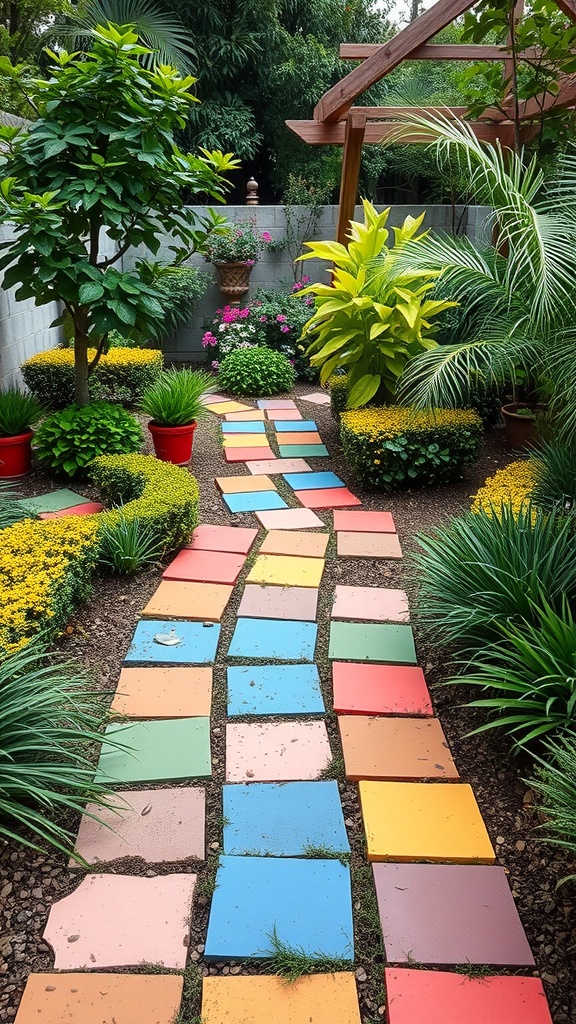
Colorful paving stones can really brighten up a small garden. They create a fun and inviting pathway that draws the eye and encourages exploration. In the image, you can see a charming path made of various colored stones, leading through a lush garden filled with vibrant plants.
The mix of colors adds a playful touch, making the garden feel more lively. Each stone seems to tell its own story, inviting visitors to stroll along and enjoy the scenery. The surrounding greenery and flowers complement the stones beautifully, creating a harmonious look.
Using colorful paving stones is a simple way to add personality to your garden. You can choose colors that match your style or even go for a rainbow effect. This approach not only enhances the visual appeal but also helps define the pathway, making it easier to navigate through your garden.
So, if you’re looking to jazz up your small garden, consider adding some colorful paving stones. They can transform an ordinary space into something truly special!
Designing a Small Garden with a Theme
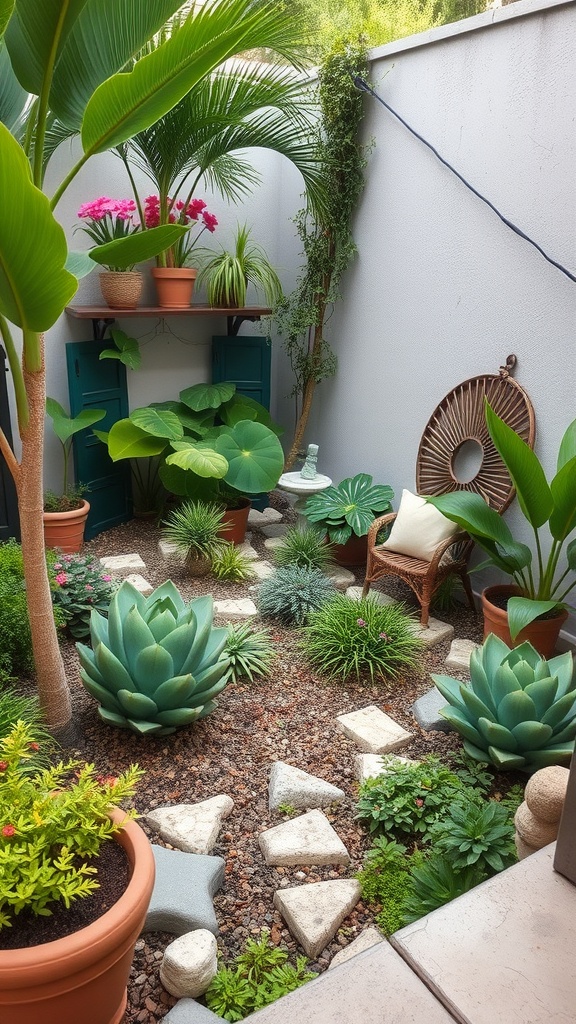
Creating a themed garden can turn a small space into a delightful retreat. The image shows a charming garden filled with various plants, showcasing how to make the most of limited space.
The vibrant greens and pops of color from the flowers create a lively atmosphere. Consider using a mix of potted plants and ground cover to add depth. The stone pathways guide the eye and make the area feel organized.
Incorporating different textures, like the smooth leaves of succulents and the soft fronds of palms, adds interest. A cozy chair invites relaxation, making it a perfect spot to unwind. Think about what theme resonates with you—be it tropical, minimalist, or cottage-style—and let that guide your choices.
Using vertical space is key in small gardens. Shelves or wall-mounted planters can hold additional plants without taking up ground space. This approach not only maximizes your area but also creates a lush, layered look.
Creating a Zen Garden with Minimalist Design
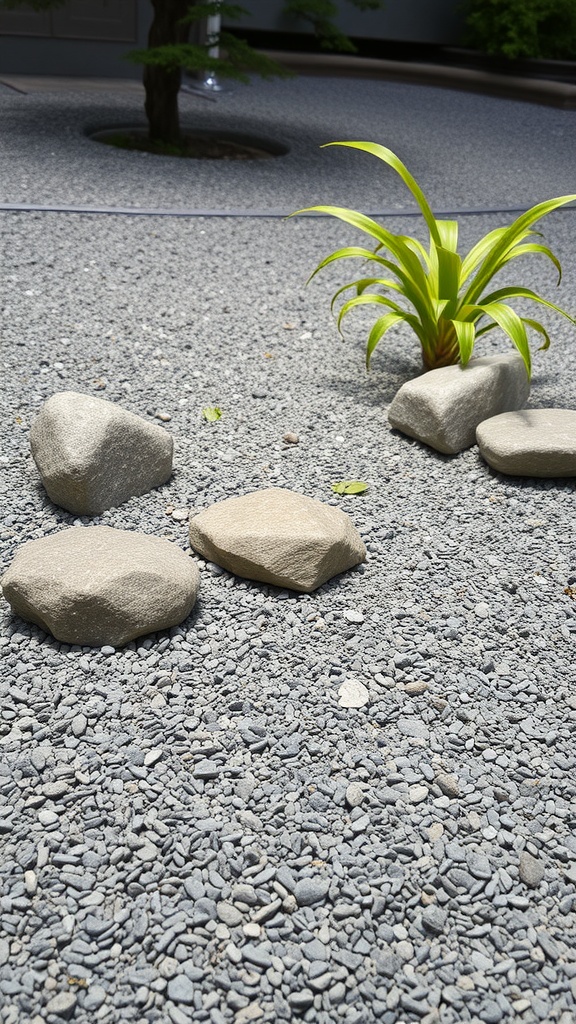
A Zen garden is a peaceful retreat that emphasizes simplicity and tranquility. The image shows a small, minimalist garden featuring smooth stones and a vibrant green plant. The gravel surface creates a calming effect, inviting relaxation.
Incorporating stones in various sizes adds texture and interest. The arrangement of the rocks can symbolize mountains or islands, enhancing the garden’s serene feel. The single plant offers a pop of color, breaking the monochrome of the gravel.
When designing your own Zen garden, think about the layout. Use a mix of larger and smaller stones to create balance. The key is to keep it simple, allowing space for contemplation and mindfulness.
Consider adding a small water feature or a bench for seating. These elements can enhance the peaceful atmosphere, making your garden a perfect spot for meditation or quiet reflection.
Integrating Seasonal Planting for Year-Round Interest
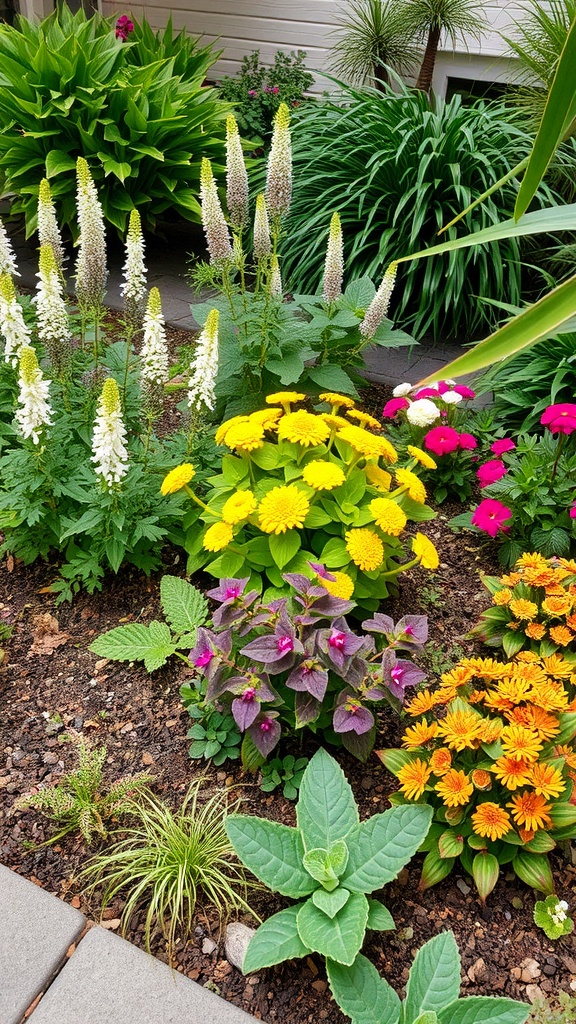
Creating a small garden that shines throughout the year can be a fun challenge. The image shows a vibrant mix of flowers and foliage, showcasing how seasonal planting can bring life to any space. Bright yellow flowers stand out among lush greens, while pops of pink and orange add warmth and cheer.
To keep your garden lively, consider choosing plants that bloom in different seasons. For instance, early spring bulbs can give way to summer blooms, followed by autumn foliage. This approach ensures there’s always something to enjoy, whether it’s flowers, leaves, or even interesting textures.
In the image, the tall white flowers add height and drama, while the colorful blooms at the base create a lovely contrast. Mixing various plant heights and colors can create a dynamic look. Don’t forget to include some evergreen plants for winter interest, ensuring your garden looks good even when other plants are dormant.
Incorporating seasonal planting not only enhances beauty but also supports local wildlife. Bees and butterflies will appreciate the variety, making your garden a lively spot. So, grab some seeds and get planting for a garden that delights all year long!
Using Ground Covers to Fill Empty Spaces
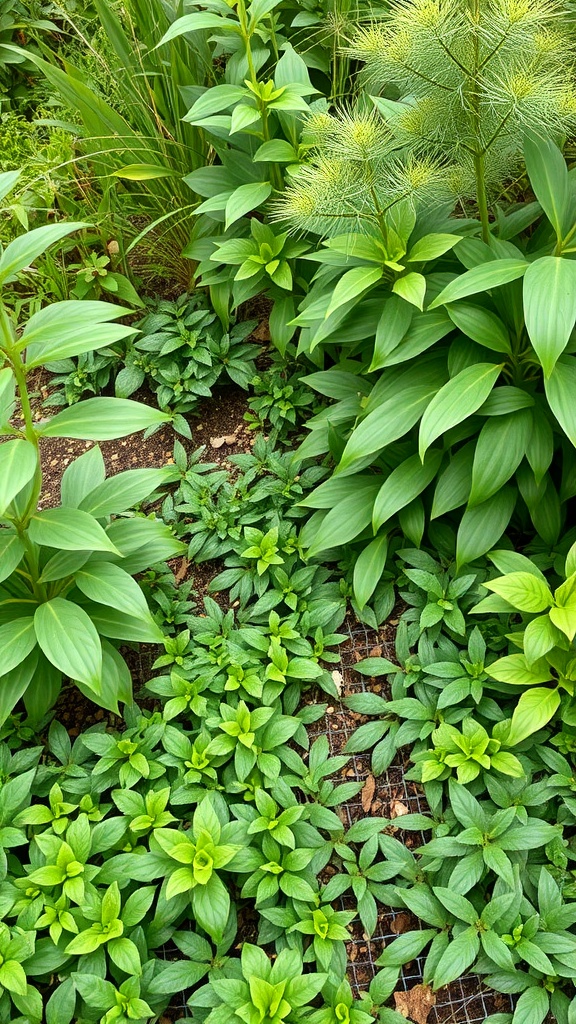
Ground covers are a fantastic way to fill those empty spots in your garden. They not only add beauty but also help with soil health. In the image, you can see a lush green area filled with various ground cover plants. These plants create a vibrant carpet that enhances the overall look of the garden.
Using ground covers can help suppress weeds and reduce maintenance. The plants in the image are thriving, showing how well they can adapt to their environment. They provide a soft, inviting look that draws the eye and makes the garden feel more complete.
When choosing ground covers, consider the amount of sunlight in your garden. Some plants thrive in shade, while others need full sun. The variety of greens in the image suggests a mix of plants that can handle different light conditions. This diversity not only looks great but also supports local wildlife.
Incorporating ground covers is a smart choice for small gardens. They can fill gaps and create a lush, layered effect. Plus, they are often low-maintenance, making them perfect for busy gardeners. So, if you have some empty spaces, think about adding ground covers to bring your garden to life!
Incorporating Seasonal Decorations
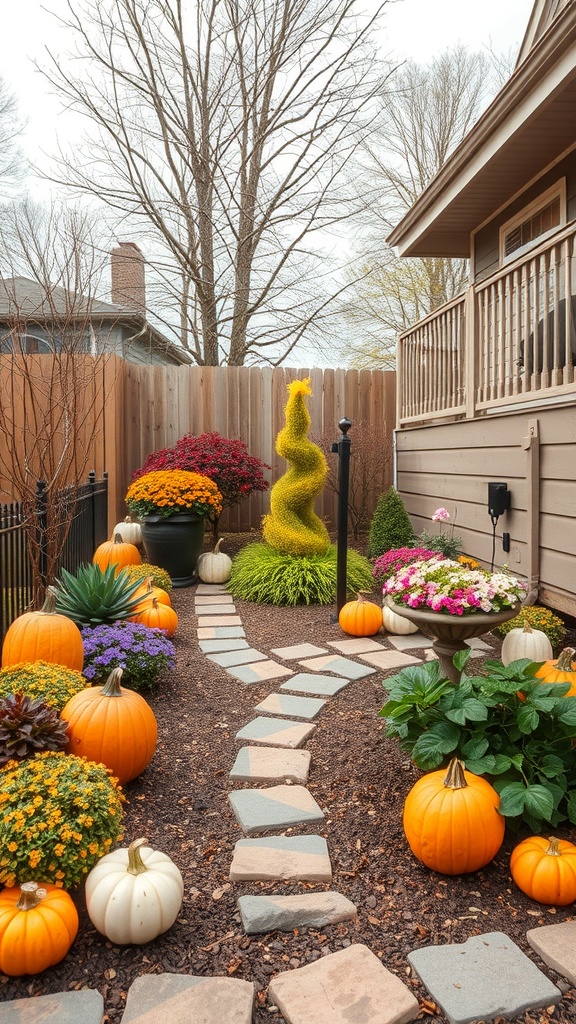
Seasonal decorations can breathe life into any garden, no matter the size. This small garden showcases how to use vibrant colors and textures to create a welcoming space. The bright orange and white pumpkins scattered along the pathway add a festive touch, perfect for autumn.
Flowers in shades of purple and yellow complement the pumpkins beautifully. They not only provide a pop of color but also attract butterflies and bees, enhancing the garden’s liveliness. The carefully placed stone path guides visitors through the garden, making it easy to enjoy every detail.
The topiary figure adds a unique focal point, drawing the eye and sparking curiosity. This playful element encourages creativity in garden design. Using seasonal decorations like this can transform a simple space into a seasonal wonderland.
Incorporating Climbing Plants for Vertical Interest
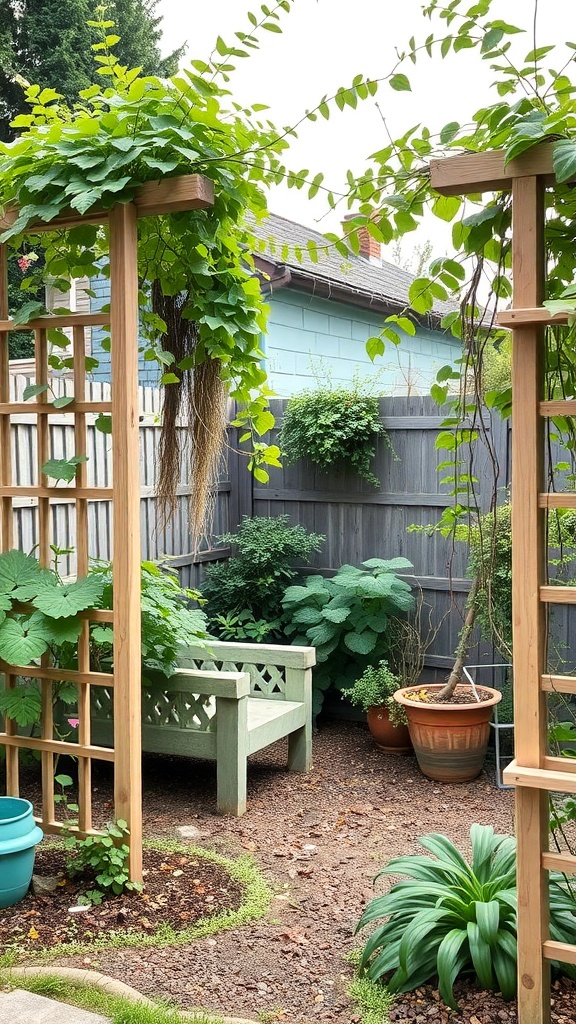
Climbing plants are a fantastic way to add vertical interest to small gardens. They can transform plain walls and fences into lush green backdrops. In the image, you can see beautiful trellises adorned with vibrant foliage, creating a cozy nook.
These structures not only support climbing plants but also define spaces within the garden. The wooden trellises in the picture provide a perfect frame for the greenery, making the area feel inviting. You can easily grow varieties like clematis or sweet peas to enhance the look.
Using climbing plants can also help maximize your garden space. They draw the eye upward, making the area feel larger and more dynamic. The bench nestled among the plants offers a perfect spot to relax and enjoy the beauty around you.
Consider adding pots with colorful flowers at the base of the trellises. This adds layers and depth to your garden design. With a little creativity, climbing plants can turn any small garden into a charming retreat.
Creating Privacy with Tall Plants or Hedges
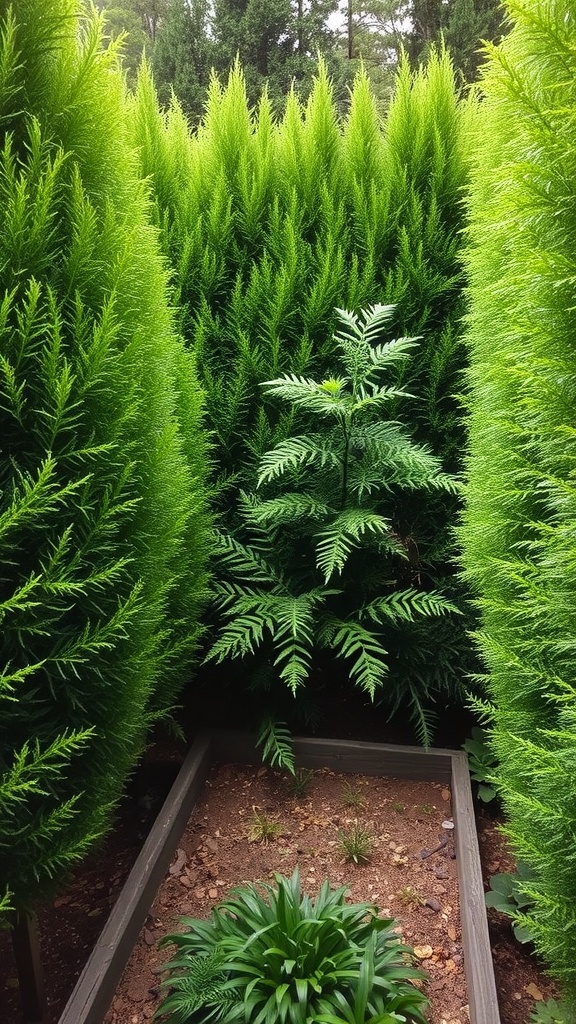
Creating a cozy and private space in your garden can be simple with the right plants. Tall plants or hedges serve as natural barriers, giving you the seclusion you desire. In the image, you can see a lush arrangement of tall, vibrant greenery that forms a perfect screen.
The dense foliage of the tall plants not only blocks out unwanted views but also adds a beautiful touch to your garden. The bright green colors bring life and energy to the space, making it feel more inviting. You can easily imagine sitting in this area, enjoying a book or a cup of tea, surrounded by nature.
When selecting plants, consider options that grow tall and thick. Evergreens are a great choice since they provide privacy year-round. You can mix in some smaller plants for variety, like the one peeking through in the image. This adds depth and interest to your garden layout.
Overall, using tall plants or hedges is a smart way to create privacy while enhancing the beauty of your outdoor space. It’s a simple yet effective design idea that can transform your garden into a peaceful retreat.
Designing a Garden for Small Pets
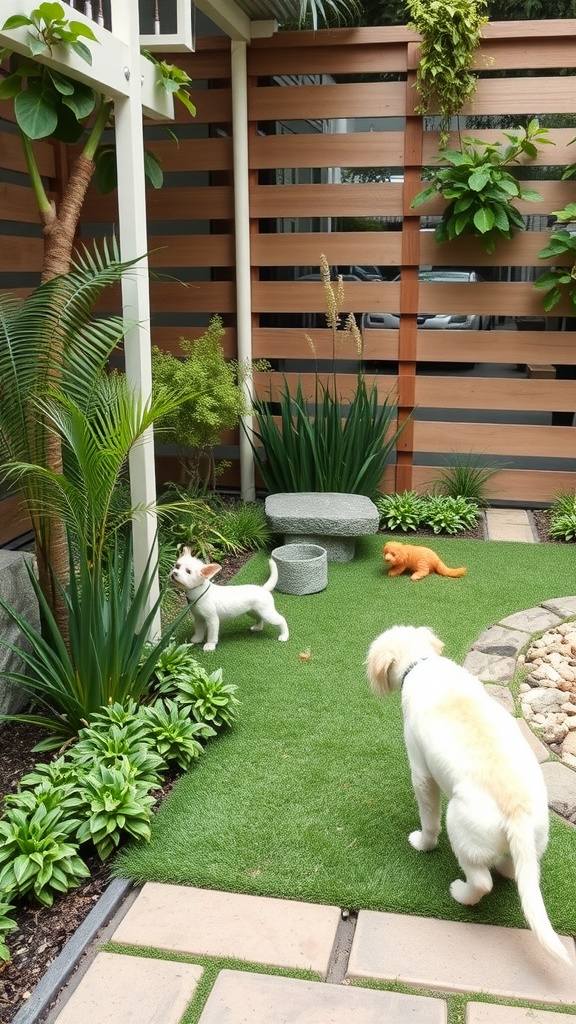
Creating a garden for small pets can be a fun and rewarding project. The image shows a cozy outdoor space designed with pets in mind. You can see two playful dogs exploring the area, which is filled with greenery and soft grass. This setup is perfect for small animals who love to roam and play.
The garden features a mix of plants and decorative elements that provide both beauty and safety. The artificial grass is a great choice, as it offers a soft surface for pets to run around on without the worry of muddy paws. The stone pathways add a nice touch and help guide pets through the space.
Incorporating pet-friendly plants is essential. Some plants can be harmful to animals, so it’s wise to choose varieties that are safe. The arrangement of plants in this garden creates a natural barrier, giving pets a sense of security while they explore. The use of planters also adds height and interest, making the garden visually appealing.
Consider adding features like a small water bowl or a shaded area for pets to relax. These elements can enhance the garden experience for your furry friends. Overall, this garden design is a perfect blend of functionality and aesthetics, making it an ideal spot for small pets to enjoy the outdoors.
Using Raised Beds for Easy Maintenance
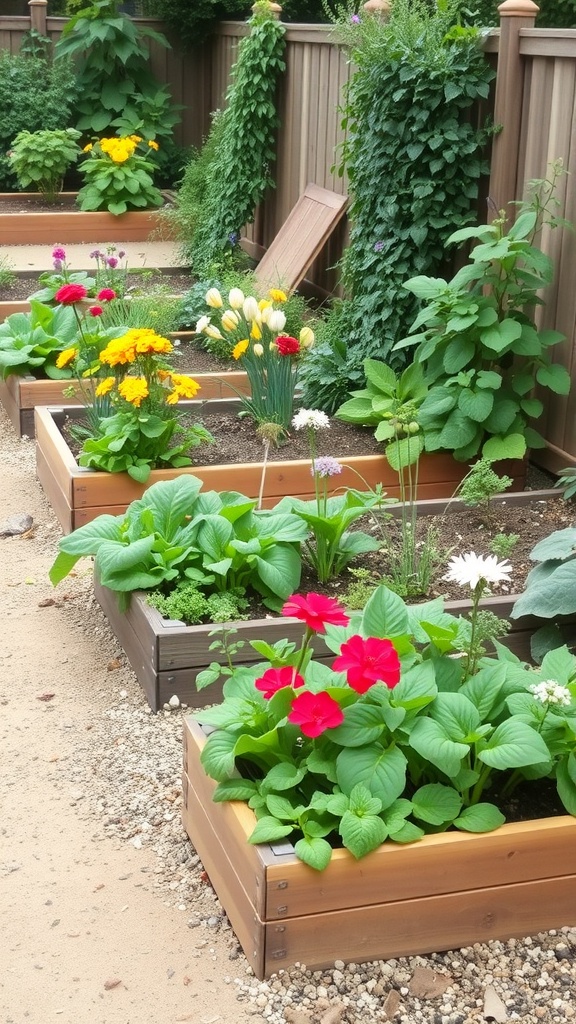
Raised beds are a fantastic way to keep your small garden organized and easy to maintain. The image shows a lovely setup with wooden raised beds filled with vibrant flowers and leafy greens. This design not only looks great but also makes gardening more accessible.
One of the biggest perks of raised beds is that they reduce the need for bending over. You can plant, weed, and harvest without straining your back. This is especially helpful for those who may have mobility issues or just want to enjoy gardening without the aches.
Another benefit is that raised beds can improve drainage. The soil in these beds warms up faster in spring, allowing you to plant earlier. Plus, you can control the soil quality better, ensuring your plants get the nutrients they need.
In the image, you can see how the different plants are arranged. Mixing flowers with vegetables not only adds beauty but can also help with pest control. The colorful blooms attract beneficial insects, which can keep harmful pests at bay.
Raised beds also define your garden space. They create a neat look, making it easier to plan your layout. You can customize the size and shape to fit your yard perfectly. Whether you want a straight row or a more creative design, raised beds can adapt to your vision.